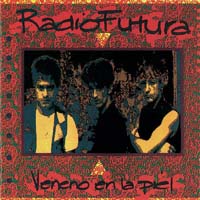
ALBUM NOTESListening to Radio Futura by Radio Futura
Radio Futura- Album Overview
Radio Futura's self-titled debut album was released in 1980 under the label Onda Nueva, marking a significant moment in the Spanish rock scene. The band, formed in 1979 in Madrid, emerged from the vibrant countercultural movement that was developing in Spain during the late Franco regime. With members Santiago Auserón, Enrique Sierra, and Fernando RF, Radio Futura blended rock with diverse influences including punk, new wave, and traditional Spanish music, creating a unique sound that would define the "Movida Madrileña," a cultural movement that celebrated artistic freedom and rebellion.
The album was recorded at the legendary Estudios Sintonía in Madrid, with production that embraced both raw energy and experimental sounds, a hallmark of the era. Notable tracks include "Enamorado de la Moda Juvenil," which became a hit single, capturing the youthful exuberance and fashion-consciousness of the time. The album's lyrics often reflect social commentary, personal introspection, and a critique of contemporary Spanish society, resonating deeply with a generation seeking identity and expression.
Radio Futura's music played a pivotal role in introducing a new wave of Spanish rock, paving the way for future bands and influencing the genre's evolution. This album remains a cultural artifact, representing a time of change and cultural renewal in Spain, and showcases the band's artistic vision that would only grow more ambitious in subsequent releases.
Review
Radio Futura's debut album is a compelling blend of eclectic sounds and sharp lyrics that capture the essence of a transformative era in Spanish music. The production is both polished and raw, allowing the energetic guitar riffs and engaging rhythms to shine through. The band's sound is characterized by its fusion of rock with elements of punk and new wave, making it feel fresh and invigorating even decades later.
Lyrically, the album delves into themes of youth identity, love, and social critique, using a mix of poetic and straightforward language that resonates with listeners. Santiago Auserón's vocal delivery is passionate and sometimes haunting, lending an emotional depth to tracks like "Enamorado de la Moda Juvenil." The artistic vision behind the album reflects a desire to break free from the constraints of the past, celebrating the newfound freedoms of post-Franco Spain. Overall, Radio Futura's self-titled album is a significant entry in the Spanish rock canon, showcasing the band's innovative spirit and cultural relevance.
Highlights
- Eclectic fusion of genres that captures the spirit of the era.
- Thought-provoking lyrics that resonate with themes of youth and social change.
- Iconic single "Enamorado de la Moda Juvenil" that remains influential.
Weak points
- Some tracks may feel dated to contemporary listeners.
- Production quality varies across songs, impacting overall cohesiveness.
- Occasional reliance on genre tropes that may not appeal to all audiences.
Overall evaluation
Radio Futura's debut is a landmark album that encapsulates the vibrancy and complexity of a pivotal moment in Spanish music history. It remains a must-listen for anyone interested in the evolution of rock in Spain.
Personal rating: 8/10