
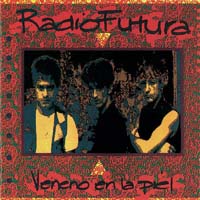
The evolution of Radio Futura in La ley del desierto, la ley del mar
La ley del desierto, la ley del mar- Album Overview
Released in 1989, "La ley del desierto, la ley del mar" marks a significant milestone in the evolution of Spanish rock band Radio Futura. This album was produced by the band alongside the notable producer Carlos Narea and was released under the label EMI. It represents a fusion of rock, pop, and new wave, showcasing the band's ability to innovate while retaining their distinct sound. The album was recorded in various studios, including the renowned Estudios Catania in Madrid, and features the band's core members: Fernando Fernández, Jesús Arias, and Luis Auserón. The album's title, translating to "The Law of the Desert, the Law of the Sea," reflects thematic explorations of freedom, identity, and existential dilemmas, resonating with the socio-political landscape of late 1980s Spain.
The album includes notable tracks such as "En el borde," "La ley del desierto," and "Cielo de un solo color," each of which showcases the band's lyrical depth and musical experimentation. "La ley del desierto, la ley del mar" did not only enjoy commercial success, with several singles charting well in Spain, but it also solidified Radio Futura’s place in the Spanish rock canon. The album is often hailed for its rich production quality and the seamless blend of diverse musical influences, illustrating a pivotal moment in Spanish music history. It encapsulates a transition period for the band and the broader cultural shifts occurring in Spain during the 1980s, as the nation adapted to its newfound democratic freedoms.
Review
The sound of "La ley del desierto, la ley del mar" is a testament to Radio Futura's evolution as artists. With a balance between catchy melodies and thought-provoking lyrics, the album effectively captures the zeitgeist of its time. The instrumentals are layered and dynamic, featuring a mix of electric guitars, synthesizers, and traditional rock rhythms that create a vibrant soundscape. Lyrically, the songs delve into themes of existential exploration, personal freedom, and social commentary, reflecting the band's maturity and awareness of their surroundings. The standout track "En el borde" showcases Auserón's vocal prowess and poetic lyricism, while "Cielo de un solo color" serves as a reflective piece that resonates deeply with listeners. Overall, the album is an artistic triumph that signifies not just Radio Futura's growth, but also the flourishing of Spanish rock music during this era.
Highlights
- Innovative blend of rock, pop, and new wave influences.
- Thought-provoking lyrics that resonate with the cultural context of the era.
- Strong production quality, showcasing the band's musical versatility.
Weak points
- Some tracks may feel less impactful compared to the album's standout singles.
- The album's experimental nature might not appeal to all mainstream audiences.
- Occasional overproduction that could detract from the raw energy of live performances.
Overall evaluation
"La ley del desierto, la ley del mar" is a landmark album that not only captures the essence of Radio Futura's artistic evolution but also serves as a reflection of a transformative period in Spanish music. Its blend of lyrical depth and musical innovation marks it as a significant contribution to the genre.
Personal rating: 8/10