
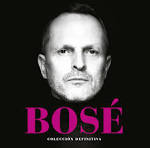
Miguel Bose – Papitwo: a sonic journey
Papitwo- Album Overview
"Papitwo," released in 2012, is a significant entry in the discography of Spanish pop icon Miguel Bosé. This album serves as a sequel to his 2010 release, "Papit," which featured a collection of his greatest hits reimagined with contemporary collaborators. "Papitwo," released under the label Sony Music, continues this trend by showcasing Bosé's ability to blend traditional pop with modern sounds. The album features a range of artists, including notable figures like Juanes, Shakira, and Pablo Alborán, who lend their voices to the tracks, creating a rich tapestry of sound that celebrates both collaboration and diversity in music. The recording sessions took place in various studios across Spain and Latin America, giving the album a vibrant and international feel. "Papitwo" includes singles like "La chica de la película" and "Bambú," both of which encapsulate Bosé's unique style that combines elements of rock, pop, and Latin rhythms. The album has been praised for its thematic depth, exploring love, nostalgia, and the passage of time, while also incorporating Bosé's characteristic flair for theatricality. This release not only consolidates his status as a pop legend but also demonstrates his willingness to innovate and connect with a new generation of listeners.
Review
"Papitwo" is a testament to Miguel Bosé's enduring artistry and his capacity to evolve while staying true to his roots. The album opens with a lush orchestration that sets a dramatic tone, characteristic of Bosé's theatrical style. His voice remains powerful and emotive, effortlessly navigating through the varying tempos and moods presented in each track. Lyrically, Bosé dives into themes of love and longing, often using vivid imagery that paints a picture of both personal and universal experiences. The collaborations featured on the album enhance its appeal, introducing fresh sounds while maintaining Bosé's signature pop sensibility. For instance, "La chica de la película" showcases his ability to merge romantic lyrics with catchy melodies, making it a standout track. However, the album does not shy away from more introspective moments, particularly in tracks like "Bambú," where Bosé's vulnerability shines through. Overall, "Papitwo" is a carefully crafted sonic journey that encapsulates the essence of Miguel Bosé's career while pushing the boundaries of contemporary pop music.
Highlights
- The seamless integration of various artists adds depth and richness to the album.
- Bosé's vocal performance is powerful and emotive throughout the entire record.
- The thematic exploration of love and nostalgia is both relatable and poignant.
Weak points
Overall evaluation
"Papitwo" is a compelling continuation of Miguel Bosé's artistic journey, showcasing his ability to adapt and collaborate while delivering heartfelt music. While it has its flaws, the album's strengths far outweigh them, making it a worthwhile listen for both longtime fans and newcomers alike.
Personal rating: 8/10 2010Cardio
 2001Sereno
 1987Xxx