
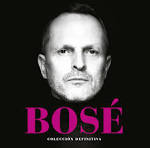
Album spotlight: Miguel Bose – Madrid
Madrid- Album Overview
"Madrid" is a significant album by Spanish singer-songwriter Miguel Bosé, released in 1991. This record came out during a transformative period in Bosé's career, characterized by his exploration of various musical styles, including pop, rock, and Latin influences. The album was released under the label CBS Records and produced by the renowned Tony Visconti, known for his work with David Bowie and T. Rex. The collaboration with Visconti added a layer of sophistication to Bosé's sound, melding his vibrant vocals with rich instrumental arrangements.
The album features a mix of compelling tracks such as "Amante Bandido" and "Bambú," both of which became hits across Spanish-speaking countries, further solidifying Bosé's status as a pop icon. The lyrics often reflect themes of love, longing, and the complexity of human relationships, which resonate deeply with his audience.
"Madrid" not only showcases Bosé's distinctive voice but also his ability to blend traditional Spanish music with contemporary pop, thus appealing to a broad array of listeners. The album's cultural significance lies in its ability to capture the spirit of early '90s Spain, a time when the country was embracing modernity while still holding on to its rich cultural heritage. This album played a crucial role in Bosé's career, paving the way for his continued success in the music industry.
Review
The sound of "Madrid" is an eclectic mix that reflects Miguel Bosé's unique artistic vision. The album effortlessly transitions between upbeat tracks and more introspective ballads, showcasing his versatility as an artist. The production quality, thanks to Visconti's expertise, is polished yet retains an organic feel, allowing Bosé's emotive vocals to shine through.
Lyrically, "Madrid" explores the complexities of love and desire, often weaving in metaphorical language that elevates the listening experience. Songs like "Amante Bandido" stand out for their catchy hooks and danceable rhythms, while tracks such as "Bambú" reveal a more vulnerable side, making for a well-rounded album. Bosé's artistic vision is clear throughout the album, demonstrating his commitment to both musical innovation and lyrical depth.
Highlights
- Intricate production led by Tony Visconti enhances the overall sound.
- Memorable and catchy singles that resonate with a wide audience.
- The album's thematic depth adds layers of meaning to the listening experience.
Weak points
- Some tracks may feel less impactful compared to the standout singles.
- Occasional reliance on pop clichés that might not resonate with all listeners.
- A few songs could benefit from more dynamic arrangements.
Overall evaluation
"Madrid" is a testament to Miguel Bosé's artistry and his ability to capture the zeitgeist of early '90s Spain. With its memorable tracks and thoughtful production, it remains a significant work in his discography. While not every song hits the mark, the album overall is a compelling listen that showcases Bosé's talent and vision.
Personal rating: 8/10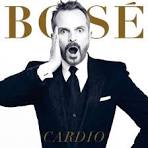 2010Cardio
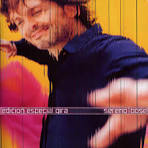 2001Sereno
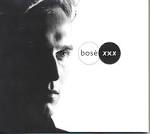 1987Xxx