ALBUM NOTESFirst impressions of Orchestral Manoeuvres in the Dark – Orchestral Manoeuvres in the Dark
Orchestral Manoeuvres in the Dark- Album Overview
Orchestral Manoeuvres in the Dark (OMD) released their self-titled debut album on November 5, 1980, under the Dindisc label. This album marks a pivotal moment in the evolution of synth-pop, combining innovative electronic sounds with pop sensibilities. The duo, comprising Andy McCluskey and Paul Humphreys, recorded the album at the Strawberry Studios in Stockport, England, collaborating with producer and engineer Mike Howlett, who had previously worked with bands like Gong and The Banshees.
The album’s sound is characterized by its use of synthesizers, drum machines, and layered vocals, which were groundbreaking for the time. Singles like “Electricity” and “Messages” showcased OMD's knack for catchy melodies intertwined with thought-provoking lyrics, reflecting the burgeoning electronic music scene of the early 1980s. The album's cultural significance was amplified by its contribution to the post-punk movement, serving as an inspiration for future synth-pop acts.
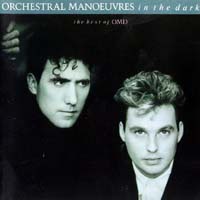
In addition to its musical innovation, the album's artwork was created by Peter Saville, known for his avant-garde designs that have become iconic in music history. OMD's debut was not merely an album; it was a bold statement that helped define the sound of a generation, paving the way for the electronic music that would dominate the charts in the ensuing decades.
Review
OMD's self-titled debut is a striking example of early synth-pop, blending a variety of influences into a cohesive sound that was both experimental and accessible. The tracks are imbued with a sense of futurism, a hallmark of the era, yet they resonate with emotional depth. Lyrically, OMD balances clever wordplay with poignant themes, often exploring the complexities of modern life and communication—a reflection of their own experiences as artists in a rapidly changing world.
Musically, the album shines in its innovative use of synthesizers, which creates a lush soundscape that captures the listener's attention. The juxtaposition of McCluskey's earnest vocals against the cold, mechanical backdrop of electronic instrumentation generates a unique tension that is both intriguing and satisfying. The production quality, helmed by Howlett, allows each track to breathe, highlighting the intricacies of their arrangements.
Overall, OMD's debut is a testament to their artistic vision, setting them apart from their contemporaries and establishing a solid foundation for their future works.
Highlights
- Innovative use of synthesizers and electronic elements that defined the sound of early synth-pop.
- Catchy and thought-provoking singles that remain relevant and influential.
- Strong lyrical themes that reflect the complexities of modern life and communication.
Weak points
- Some tracks may feel dated to contemporary listeners unfamiliar with the era's sound.
- Occasional inconsistency in pacing can disrupt the album's overall flow.
- The reliance on electronic instrumentation might alienate fans of more traditional rock sounds.
Overall evaluation
OMD's debut album is a landmark release that showcases the band's innovative spirit and musical prowess. It successfully combines catchy melodies with profound lyrical insights, making it a vital piece of music history.
Personal rating: 8/10

 0Architecture