Biography
Orchestral Manoeuvres in the Dark: history and sound
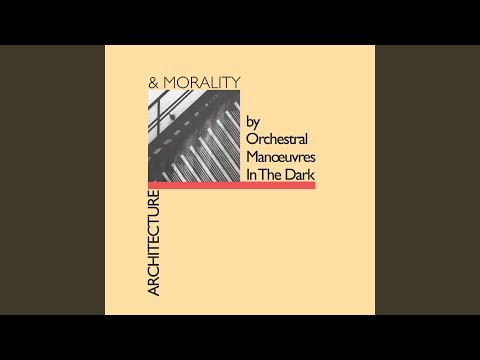
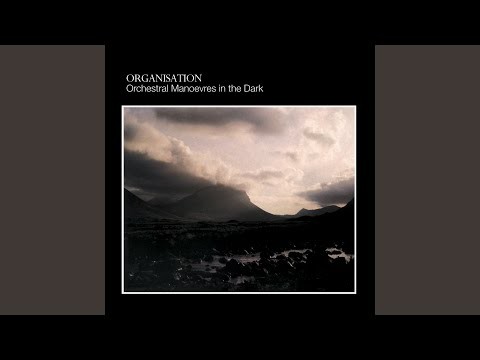
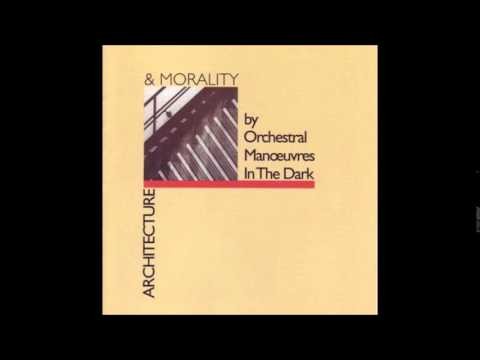
Orchestral Manoeuvres in the Dark (OMD) are a British new wave group formed in 1978, whose founding members, Andy McCluskey (vocals, bass guitar) and Paul Humphreys (keyboards, vocals), are originally from Wirral, England. One of the most influential synthpop bands of all time is Orchestral Manoeuvres in the Dark! Synonymous with innovation, ambition, and creativity, this group has stood out since their inception in 1978. Blessed with melodic buckets of genius DNA, their ambition spawned some astounding songs. Their albums 'Architecture & Morality' and 'Organisation' oozed timeless cool. OMD are as fresh now as they were when they started back then. OMD topped the charts worldwide with tracks like ‘If You Leave’ from the John Hughes film Pretty In Pink and ‘Dreaming’ from the cult classic Pretty In Blue! Plus tracks like Enola Gay still sound good promising any discerning music fan hours of blissful aural pleasure that ooze class in seemingly innate fashion!. None comes closer to their impressive cadre of perfectly crafted incredible singles than Orchestral Manoeuvres in the Dark so listen to their timeless tunes because you can’t go wrong!!
Orchestral Manoeuvres in the Dark: How They Broke Ground in Pop Music
Orchestral Manoeuvres in the Dark, or OMD, was founded in 1978 in the UK. The band was composed of two schoolmates, Andy McCluskey and Paul Humphreys. OMD’s brand of synthpop quickly gained popularity, with fans drawn to its innovative use of electronic instrumentation combined with relatable lyrics. The band is known for songs like 'Enola Gay', 'Souvenir', 'Electricity', and 'Maid of Orleans'. Let’s dive deep into the roots and hits of OMD.
OMD was formed with the idea of exploring music as a medium of expression, rather than conforming to the traditional pop format. Very early on, the band started experimenting with tape loops, electronic drum machines, and synthesisers. Their signature soundscape started to emerge - polysynth hooks and drum machines that echoed the early technological optimism of the era.
OMD's breakthrough came with their 1980 hit Enola Gay. It reached the number 8 spot in the UK music charts, capturing the attention of music lovers. A song with a name that seems at odd with its upbeat mood, the song talks about the dropping of atomic bombs during World War II. Since then, OMD's rise in popularity became meteoric. They followed up with hits like Souvenir and Electricity, both of which were chart-toppers in various countries.
OMD’s albums are known for their lyricism, with themes ranging from space travel to love stories to socio-political commentary. As a live band, they were known for a spectacular show that resonated with audiences through otherworldly synth sounds mixed with emotive vocals. They went on to play at the Hollywood Bowl and Madison Square Garden in the United States.
OMD embraced the pop music format but invented and broke new grounds in their style. Keeping their focus on writing songs that were emotionally potent, they bankrolled on the mechanical sounds of the drum machines and synthesisers to produce catchy earworm tunes. The warmth and vulnerability in the voice of the lead singer, Andy McCluskey and Paul Humphrey, provided the emotional pull that stayed with listeners long after the songs ended.
Critics praised OMD's music early in their career, commending them for their willingness to experiment with electronics. They coined a term called Orchestration to describe their innovative approach. Many have even cited their early work as influencing the development of post-punk electronic music. In 2007, Mojo magazine even declared OMD an essential influence on modern electronica.
Best OMD Songs:
1. Enola Gay
1. Enola Gay
2. Souvenir
3. Joan of Arc
4. Maid of Orleans
5. Electricity
Orchestral Manoeuvres in the Dark has been an influential band, pioneering the use of electronics in pop music and paving the way for future generations of synthpop artists. They gained legions of fans worldwide with their relatable lyrics, catchy melodies, orchestration, and spectacular live show. With their groundbreaking innovation, OMD has cemented their place in music history, continuing to inspire new generations of artists and musicians.
Orchestral Manoeuvres in the Dark: How They Broke Ground in Pop Music
Orchestral Manoeuvres in the Dark, or OMD, was founded in 1978 in the UK. The band was composed of two schoolmates, Andy McCluskey and Paul Humphreys. OMD’s brand of synthpop quickly gained popularity, with fans drawn to its innovative use of electronic instrumentation combined with relatable lyrics. The band is known for songs like 'Enola Gay', 'Souvenir', 'Electricity', and 'Maid of Orleans'. Let’s dive deep into the roots and hits of OMD.
OMD was formed with the idea of exploring music as a medium of expression, rather than conforming to the traditional pop format. Very early on, the band started experimenting with tape loops, electronic drum machines, and synthesisers. Their signature soundscape started to emerge - polysynth hooks and drum machines that echoed the early technological optimism of the era.
OMD's breakthrough came with their 1980 hit Enola Gay. It reached the number 8 spot in the UK music charts, capturing the attention of music lovers. A song with a name that seems at odd with its upbeat mood, the song talks about the dropping of atomic bombs during World War II. Since then, OMD's rise in popularity became meteoric. They followed up with hits like Souvenir and Electricity, both of which were chart-toppers in various countries.
OMD’s albums are known for their lyricism, with themes ranging from space travel to love stories to socio-political commentary. As a live band, they were known for a spectacular show that resonated with audiences through otherworldly synth sounds mixed with emotive vocals. They went on to play at the Hollywood Bowl and Madison Square Garden in the United States.
OMD embraced the pop music format but invented and broke new grounds in their style. Keeping their focus on writing songs that were emotionally potent, they bankrolled on the mechanical sounds of the drum machines and synthesisers to produce catchy earworm tunes. The warmth and vulnerability in the voice of the lead singer, Andy McCluskey and Paul Humphrey, provided the emotional pull that stayed with listeners long after the songs ended.
Critics praised OMD's music early in their career, commending them for their willingness to experiment with electronics. They coined a term called Orchestration to describe their innovative approach. Many have even cited their early work as influencing the development of post-punk electronic music. In 2007, Mojo magazine even declared OMD an essential influence on modern electronica.
Best OMD Songs:
1. Enola Gay
1. Enola Gay
2. Souvenir
3. Joan of Arc
4. Maid of Orleans
5. Electricity
Orchestral Manoeuvres in the Dark has been an influential band, pioneering the use of electronics in pop music and paving the way for future generations of synthpop artists. They gained legions of fans worldwide with their relatable lyrics, catchy melodies, orchestration, and spectacular live show. With their groundbreaking innovation, OMD has cemented their place in music history, continuing to inspire new generations of artists and musicians.