

Breaking down the themes in N°7 by Johnny Hallyday
N°7- Album Overview
Released in 1979, "N°7" is the 22nd studio album by French rock legend Johnny Hallyday, signifying a pivotal moment in his illustrious career. The album was produced by Michel Berger and released under the label Philips Records. "N°7" showcases Hallyday's ability to blend rock, pop, and chanson, a testament to his versatility as an artist. The recording sessions took place in both Paris and Los Angeles, where Hallyday sought to capture a sound that resonated with the evolving musical landscape of the late 1970s. The album features a total of ten tracks, including notable singles like "Gabrielle" and "L'envie," which would go on to become staples in Hallyday's repertoire. Lyrically, "N°7" explores themes of love, longing, and the complexities of life, with Hallyday's powerful baritone delivering emotional depth. Collaborators on the album include notable musicians such as guitarist Mickey Baker and keyboardist Jean-Pierre Alarcen, who contributed to the rich, layered sound that characterizes the album. "N°7" is significant not just for its commercial success in France, where it topped charts, but also for its cultural resonance. It reflects the shifting dynamics of French rock music and Hallyday's role in shaping the genre. The album's themes of passion and rebellion resonate with a generation seeking authenticity in music, solidifying Hallyday's status as an iconic figure in French pop culture.
Review
"N°7" is an exploration of both personal and universal themes, delivered with Hallyday's signature rock flair. The album opens with "Gabrielle," an emotional ballad that showcases Hallyday's vocal prowess and sets the tone for the rest of the record. The production is polished yet retains a raw edge, a balance that highlights Hallyday's rock roots while embracing the softer nuances of pop. Lyrically, the album navigates through love's complexities, with tracks like "L'envie" capturing a sense of yearning and desire. Hallyday's ability to convey deep emotion through his music is evident, drawing listeners into his world. The collaboration with Michel Berger adds a layer of sophistication to the arrangements, allowing for a seamless blend of rock instrumentation and melodic hooks. However, while the album excels in many areas, it occasionally treads familiar territory, recycling themes that Hallyday has explored in previous works. Despite this, "N°7" remains a powerful statement, showcasing Hallyday's evolution as an artist and his enduring relevance in the ever-changing musical landscape.
Highlights
- Strong vocal performances that convey deep emotion.
- Effective blend of rock and pop elements, showcasing versatility.
- Notable singles that became classics in Hallyday's catalog.
Weak points
- Some tracks may feel repetitive in theme compared to earlier works.
- Production, while polished, lacks the raw edge of Hallyday's earlier albums.
- A few songs might not resonate as strongly with contemporary audiences.
Overall evaluation
Overall, "N°7" is a compelling addition to Johnny Hallyday's discography, showcasing his ability to navigate complex emotional landscapes through music. While it has its shortcomings, the strengths far outweigh them, making it a significant album in his career. Personal rating: 8/10
 2014Rester Vivant
 2011Jamais Seul
 1995Lorada
 1982Quelque Part Un Aigle
 1976Hamlet
 1972Country-folk-rock
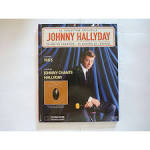 1969Johnny Hallyday
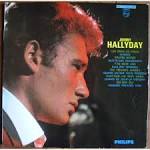 1963Les Bras En Croix
 1961Salut Les Copains!