ALBUM NOTESInside Johnny Hallyday Trifft Die Rattles by Johnny Hallyday
Johnny Hallyday Trifft Die Rattles- Album Overview
"Johnny Hallyday Trifft Die Rattles" is a unique collaboration album released in 1966, featuring the legendary French rock and roll icon Johnny Hallyday and the German rock band The Rattles. This album is significant not only for its musical content but also for its representation of the cultural exchange between France and Germany during the 1960s. Hallyday, often referred to as the "French Elvis," was a pioneering figure in the French rock scene, and this album showcases his ability to blend rock and roll with French pop sensibilities.
Recorded in various studios, the album was released under the Philips label, known for its promotion of innovative artists during this era. The collaboration with The Rattles, a prominent band in Germany known for their energetic performances and catchy melodies, brought a new dimension to Hallyday's sound. The album features a mix of original tracks and covers, including the iconic "Rattles' Song," which highlights both Hallyday's vocal prowess and The Rattles' tight instrumentation.
Despite being primarily a French-language album, its appeal transcended borders, showcasing the universality of rock music. This collaboration not only solidified Hallyday's status in the European music scene but also contributed to the cross-pollination of musical styles that characterized the 1960s. The album has since become a collector's item, representing a fascinating moment in music history where language and culture intersected through the power of rock and roll.
Review
Musically, "Johnny Hallyday Trifft Die Rattles" is a vibrant blend of rock and roll rhythms and melodic pop, showcasing Hallyday's dynamic vocal delivery alongside The Rattles' infectious energy. The production, typical of the mid-60s, is polished yet retains a raw edge that captures the spirit of the rock scene. Lyrically, the album reflects themes of love, rebellion, and youthful exuberance, common in rock music of that time, but delivered with a distinctly French twist.
Hallyday's artistic vision shines through as he navigates the cultural landscape, bridging the gap between French and German audiences. The interplay between Hallyday's passionate singing and the band's harmonies creates an engaging listening experience. While some tracks may feel dated to contemporary listeners, they embody the fervor and optimism of the 1960s music scene, making them appealing to fans of vintage rock.
Highlights
- The vibrant collaboration between Hallyday and The Rattles, which results in a fresh sound.
- Catchy melodies and energetic performances that capture the essence of 60s rock.
- The cultural significance of the album as a representation of Franco-German musical exchange.
Weak points
- Some tracks may come off as formulaic or less memorable compared to Hallyday's solo work.
- The production may feel dated to modern listeners, lacking the depth found in contemporary recordings.
- The language barrier may limit the album's appeal outside of French and German-speaking audiences.
Overall evaluation
"Johnny Hallyday Trifft Die Rattles" stands as a significant cultural artifact that captures the spirit of its time. While it may not be Hallyday's most famous work, its charm lies in its collaborative nature and the way it represents a unique moment in music history.
Personal rating: 7/10


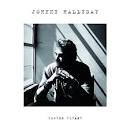 2014Rester Vivant
 2011Jamais Seul
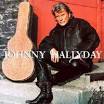 1995Lorada
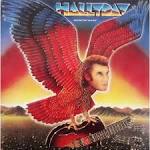 1982Quelque Part Un Aigle
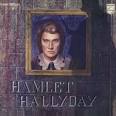 1976Hamlet
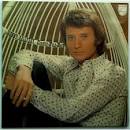 1972Country-folk-rock
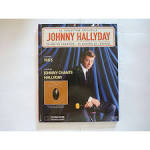 1969Johnny Hallyday
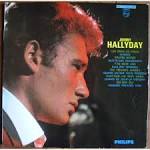 1963Les Bras En Croix
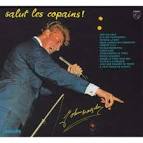 1961Salut Les Copains!