
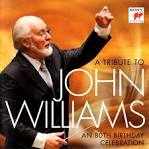
How John Williams shaped the sound of Music For Cello And Piano
Music For Cello And Piano- Album Overview
"Music For Cello And Piano," released in 1997, marks a significant departure for John Williams, the legendary composer known primarily for his film scores. This album, produced under the Sony Classical label, showcases Williams's versatility as a composer and his ability to transcend the cinematic realm. The recording features renowned cellist Yo-Yo Ma and pianist Kathryn Stott, who bring Williams's compositions to life with their exceptional artistry. The album consists of a collection of original pieces and arrangements, blending classical influences with contemporary sensibilities.
The recording sessions took place in the serene environment of the studios, where Williams collaborated closely with Ma and Stott to ensure that the emotional depth of his compositions resonated through the cello and piano. The album includes tracks such as "Elegy," "Tango," and "Méditation," each reflecting various moods and styles that showcase Williams's unique voice outside of film music. This album is not only a testament to Williams's compositional prowess but also highlights the power of collaboration in classical music.
Culturally, "Music For Cello And Piano" contributes to the ongoing conversation about the boundaries between film music and classical composition, urging listeners to reconsider the definitions of both genres. The album received positive critical acclaim, and its release added depth to Williams's illustrious career, proving that he could craft stunning works for concert performance as well as for the silver screen.
Review
The sound of "Music For Cello And Piano" is both lush and intricate, showcasing John Williams's ability to weave complex melodies with rich harmonies. The interplay between the cello and piano creates an intimate atmosphere, allowing the listener to experience a range of emotions from nostalgia to exhilaration. Each track is meticulously crafted, exhibiting Williams's signature style while also embracing the unique characteristics of the cello and piano duo.
Williams's artistic vision for this album is clear: he seeks to elevate the cello and piano beyond their traditional roles, exploring new textures and emotional landscapes. The lyrical quality of the compositions is particularly noteworthy, as they tell stories without words, inviting listeners into a world of sound that is both familiar and innovative. The performances by Ma and Stott are nothing short of extraordinary, as they breathe life into Williams's compositions, making each note resonate with feeling and precision.
Highlights
- Beautifully crafted compositions that blend classical and contemporary elements.
- Stunning performances by cellist Yo-Yo Ma and pianist Kathryn Stott.
- A significant contribution to the understanding of film music's place in concert repertoire.
Weak points
- Some listeners may prefer more traditional classical fare over contemporary compositions.
- The album's focus on instrumental pieces might lack broader appeal for those seeking vocal works.
- Occasional moments of introspection may feel slow-paced for some audiences.
Overall evaluation
"Music For Cello And Piano" stands as a testament to John Williams's versatility and depth as a composer. It masterfully showcases the emotional power of the cello and piano, inviting listeners into a rich auditory experience. While it may not appeal to every classical music enthusiast, its artistic merit and emotional resonance are undeniable.
Personal rating: 8/10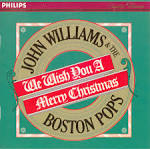 1990We Wish You A Merry Christmas
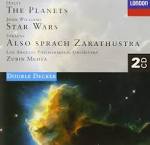 1986The Planets