

Why John Williams's Digital Jukebox matters
Digital Jukebox- Album Overview
Released in 2020, "Digital Jukebox" marks a significant evolution in composer John Williams's illustrious career, transitioning from traditional orchestral soundscapes to a more contemporary and eclectic mix of genres. This album showcases Williams's ability to adapt and innovate while retaining the cinematic qualities that have defined his work for decades. The project was released under the prestigious label, Sony Classical, and features a collaboration with a diverse array of musicians, which includes a blend of classical, jazz, and pop influences, reflecting the modern digital landscape.
The recording sessions took place in various studios, where Williams worked meticulously to fuse his classical roots with modern sounds. With tracks that highlight both orchestral arrangements and electronic elements, "Digital Jukebox" not only appeals to long-time fans of the maestro but also attracts a younger audience who may be more accustomed to digital music formats. The album contains several standout tracks that serve as a testament to Williams's creative genius, including "Melody for a New Age" and "Echoes of the Future." Each piece is designed to evoke a sense of nostalgia while simultaneously pushing the boundaries of what contemporary film music can sound like.
Notably, the album's lead single, "Digital Dream," gained traction among listeners for its fusion of orchestral grandeur with electronic beats, showcasing Williams's versatility as a composer. The cultural significance of "Digital Jukebox" lies not only in its musicality but also in its commentary on the evolution of music consumption in the digital era, making it a relevant and thoughtful addition to the modern musical landscape.
Review
In "Digital Jukebox," John Williams exhibits his masterful command of melody and orchestration, even as he explores new sonic territories. The album features a rich tapestry of sound that juxtaposes traditional orchestral elements with vibrant digital textures. This blend creates an engaging listening experience that is both familiar and refreshingly innovative. Williams's artistic vision shines through as he embraces contemporary influences while staying true to his roots, making each track a journey through time and sound.
One of the album's defining characteristics is its ability to evoke emotion through diverse musical styles. From the sweeping strings that characterize his earlier works to the punchy electronic rhythms in tracks like "Digital Dream," Williams demonstrates an impressive range. However, the album does not delve into lyrical content, focusing instead on instrumental storytelling, which may limit its appeal to those who favor song lyrics over orchestration. Nevertheless, "Digital Jukebox" stands as a testament to Williams's enduring relevance in a rapidly changing musical landscape.
Highlights
- Innovative blend of orchestral and electronic elements.
- Strong emotional resonance in instrumental storytelling.
- Appealing to both longtime fans and new listeners.
Weak points
- Lack of lyrical content may limit appeal to some audiences.
- Some tracks may feel less cohesive compared to his traditional works.
- Risk of alienating purist classical music fans.
Overall evaluation
"Digital Jukebox" is a bold exploration of new sounds that showcases John Williams's adaptability and creativity. While it may not resonate with every fan of classical music, it undoubtedly cements his legacy as a forward-thinking composer. The album represents a significant step in Williams's career, offering a fresh perspective on his artistic journey.
Personal rating: 8/10 1990We Wish You A Merry Christmas
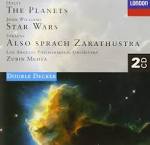 1986The Planets