
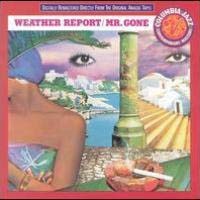
One week with Mr. Gone: thoughts on Weather Report
Mr. Gone- Album Overview
"Mr. Gone," released in 1978, is the sixth studio album by the influential jazz fusion band Weather Report. The album was produced by the band's co-founders, Joe Zawinul and Wayne Shorter, and released under the Columbia Records label. "Mr. Gone" came during a pivotal time for the band, following their commercially successful album "Heavy Weather," which featured the hit "Birdland." The recording sessions for "Mr. Gone" took place at the Caribou Ranch in Colorado, a serene and inspiring environment that allowed the band to experiment with their sound. The album showcases contributions from notable musicians, including Jaco Pastorius on bass, who was becoming increasingly integral to the band’s sound, as well as drummer Chester Thompson and percussionist Manolo Badrena. The album features seven tracks, including "The Pursuit of the Woman with the Feathered Hat," which is a complex composition reflecting the band's innovative approach to jazz fusion. Other notable tracks are "Mr. Gone" and "The Moors," which highlight the band's blend of electronic instruments with traditional jazz elements. Despite not achieving the same level of commercial success as "Heavy Weather," "Mr. Gone" has been recognized for its adventurous spirit and has continued to influence musicians across genres. The album's musical and cultural significance lies in its forward-thinking sound, pushing the boundaries of jazz and incorporating elements of funk and rock, thus paving the way for future jazz fusion artists.
Review
"Mr. Gone" presents a fascinating exploration of jazz fusion, characterized by its intricate melodies and innovative rhythms. The album opens with the title track, which immediately establishes a groove that is both infectious and complex. The interplay between Zawinul's electric piano and Pastorius's bass is particularly noteworthy; they create a sonic landscape that is rich yet accessible. However, this album is not merely a showcase for virtuosic musicianship—each track tells a story, often evoking a sense of narrative through its arrangements. Lyrically, the album's tracks lack traditional verses and choruses, instead opting for instrumental storytelling that allows the listener to engage with the music on a deeper level. This approach reflects the band's artistic vision, emphasizing mood and atmosphere over conventional song structures. While some critics may argue that this makes the album less accessible, it is precisely this quality that sets "Mr. Gone" apart, inviting listeners to immerse themselves in the sound rather than merely consume it. The album's production is polished, showcasing the band’s ability to merge electronic and acoustic sounds seamlessly, though some may find the heavy use of synthesizers somewhat dated.
Highlights
- Intricate musicianship, particularly from Jaco Pastorius, whose bass work is stunning.
- Innovative fusion of jazz with electronic elements, creating a unique soundscape.
- Strong compositional structure that invites deep listening and engagement.
Weak points
- The heavy use of synthesizers may not appeal to all jazz purists.
- Some tracks may feel overly experimental, potentially alienating casual listeners.
- Lacks the standout hits that defined their previous album, "Heavy Weather."
Overall evaluation
In conclusion, "Mr. Gone" is a daring and ambitious work that exemplifies Weather Report's innovative spirit within the jazz fusion genre. While it may not resonate with everyone, it stands as a testament to the band's willingness to push boundaries and explore new sonic territories.
Personal rating: 8/10 2012The Columbia Albums 1971-1975
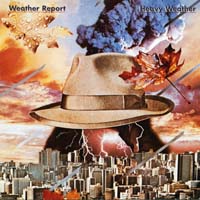 1977Heavy Weather