

Morning Symphony Ideas by Jimi Hendrix: expectations vs reality
Morning Symphony Ideas- Album Overview
"Morning Symphony Ideas" is a posthumous compilation album by the legendary guitarist and songwriter Jimi Hendrix, released in 1995. Although it is often overshadowed by Hendrix's more prominent works, this collection provides a fascinating glimpse into the creative processes of one of rock's most innovative musicians. The album features a series of studio recordings and demos that were largely laid down during the late 1960s, specifically around the time of Hendrix's iconic albums like "Electric Ladyland." The recordings were originally part of the extensive archives left behind by Hendrix, who passed away in 1970.
The album was released under the Reprise Records label and includes tracks that showcase Hendrix's experimental approach to music, blending rock, blues, and psychedelia. Collaborators on various tracks include notable figures such as Billy Cox and Buddy Miles, who were part of the Band of Gypsys, and who contributed to the evolution of Hendrix's sound during this period. The singles released from this album are not as widely recognized as his earlier hits, yet they reflect the artist's relentless pursuit of musical exploration.
Musically, "Morning Symphony Ideas" holds cultural significance as it captures the essence of Hendrix's artistry—his ability to fuse genres and his pioneering use of guitar effects that would influence countless musicians that followed. This album serves as both a treasure for dedicated fans and a point of intrigue for new listeners, offering a raw and unfiltered look at Hendrix's creative mind. While it may not have the polished sheen of his earlier works, it provides an essential context for understanding the evolution of his musical legacy.
Review
The sound of "Morning Symphony Ideas" is a mixed bag, showcasing Hendrix's unique guitar work and experimental tendencies. The tracks vary in quality, ranging from intimate, stripped-down demos to more elaborate, fully realized pieces. Lyrically, the songs reflect a range of emotions, often touching on themes of love, existentialism, and the struggles of the human experience. The artistic vision behind the album appears to be a candid representation of Hendrix’s thought processes and musical growth, allowing listeners to appreciate the raw emotion behind the music. However, some may find the unfinished nature of the tracks unappealing, as they lack the refinement found in his classic albums. Overall, while the album may not meet the high expectations set by his earlier work, it still showcases the genius of Hendrix in an unvarnished light.
Highlights
- Unique insight into Hendrix's creative process and evolution.
- Showcases the raw talent and experimental approach that defined Hendrix's music.
- Provides fans with rare tracks that highlight his improvisational skills.
Weak points
- Some tracks feel incomplete or less polished compared to his studio albums.
- May not resonate with casual listeners unfamiliar with Hendrix's style.
- Lack of cohesive production can make the album feel disjointed at times.
Overall evaluation
"Morning Symphony Ideas" is a compelling listen for those who wish to delve deeper into Jimi Hendrix's artistic journey. While it may not be his most celebrated work, it offers a fascinating perspective on the mind of a musical genius. The album is a testament to Hendrix's enduring legacy and his relentless quest for artistic expression.
Personal rating: 7/10 1972War Heroes
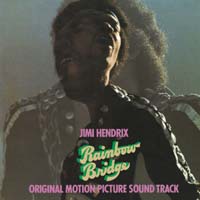 1971Rainbow Bridge