

Jimi Hendrix returns with Band Of Gypsys
Band Of Gypsys- Album Overview
Released on March 25, 1970, "Band Of Gypsys" stands as a pivotal entry in Jimi Hendrix's discography and marks a significant departure from his earlier work with the Jimi Hendrix Experience. Recorded live at the Fillmore East, this album captures the raw energy and improvisational spirit that characterized Hendrix's performances. The album features a lineup that includes Hendrix on guitar and vocals, Billy Cox on bass, and Buddy Miles on drums, forming a power trio that provided a fresh dynamic to his sound.
Produced by Hendrix himself along with Eddie Kramer, "Band Of Gypsys" was released under the Capitol Records label. It was recorded over the course of four live performances on December 31, 1969, and January 1, 1970. The album includes notable tracks such as "Who Knows," "Machine Gun," and "Message to Love," each exemplifying Hendrix's innovative guitar work and his ability to blend rock, blues, and funk elements into a cohesive sound.
The cultural significance of "Band Of Gypsys" cannot be understated; it was released during a time of social upheaval in the U.S., and its themes of war and peace resonated deeply with the counterculture movement of the late 1960s and early 1970s. The standout track "Machine Gun," in particular, is often interpreted as a commentary on the Vietnam War, showcasing Hendrix's lyrical depth and emotional intensity.
The album did not produce any major singles, but its impact was felt immediately, influencing countless musicians and solidifying Hendrix's status as a guitar legend. "Band Of Gypsys" is often regarded as one of Hendrix's most important works, representing both an artistic evolution and a reflection of the tumultuous era in which it was created.
Review
"Band Of Gypsys" presents a sonic landscape that is raw, powerful, and utterly captivating. Hendrix's guitar work shines throughout, with his signature riffs and scorching solos that push the boundaries of what rock music can be. The live recording captures not just the musicianship, but also the electric atmosphere of the performances, allowing listeners to experience the improvisational nature of Hendrix's music.
The lyrics are more introspective compared to his earlier works, reflecting both personal and societal themes. Songs like "Machine Gun" are haunting in their delivery, with Hendrix's anguished vocal performance adding to the emotional weight of the track. The collaboration with Billy Cox and Buddy Miles brings a new rhythm and groove that complements Hendrix's style, creating a unique blend of rock, blues, and funk that feels fresh and innovative.
Hendrix's artistic vision in "Band Of Gypsys" is one of experimentation and exploration. He pushes musical boundaries further than ever before, making this album not just a collection of songs, but a testament to his genius as a composer and performer. Overall, the album is a celebration of Hendrix's legacy and a reminder of his profound impact on music.
Highlights
- Stunning guitar work that showcases Hendrix's unparalleled talent.
- Emotionally charged lyrics that resonate with themes of war and peace.
- A fresh sound through the collaboration with Billy Cox and Buddy Miles.
Weak points
- The live recording quality may not appeal to all listeners.
- Lacks the polished production found in Hendrix's earlier studio albums.
- Some tracks may feel meandering due to extended improvisation.
Overall evaluation
"Band Of Gypsys" is a powerful testament to Jimi Hendrix's artistry and innovation, showcasing a live performance that captures the spirit of the era. Despite some minor drawbacks, the album remains a cornerstone of rock history.
Personal rating: 9/10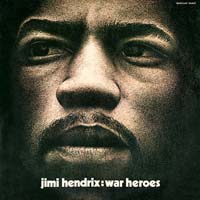 1972War Heroes
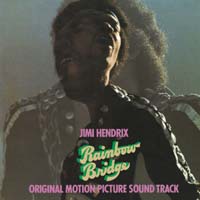 1971Rainbow Bridge