
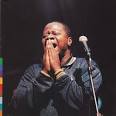
A closer look at Papa Wemba's album Molokai
Molokai- Album Overview
Papa Wemba's album "Molokai," released in 1999, is a significant piece in the realm of world music, showcasing the artist's unique blend of soukous and rumba. Often hailed as the "King of Rumba Rock," Wemba's style is a vibrant fusion of traditional Congolese music with modern influences. The album was produced under the label "Pyramid," a company known for promoting African music to a wider audience. With tracks that reflect his eclectic influences and the rich cultural heritage of the Democratic Republic of the Congo, "Molokai" encapsulates Wemba's artistic vision and his ability to bridge cultural divides through music. The album's production involved a collaboration with notable musicians and producers, highlighting Wemba's commitment to quality. Noteworthy tracks include "Mona Lisa," which became one of the standout singles, showcasing his signature melodic style and rhythmic complexity. The lyrics often delve into themes of love, social issues, and the struggles of life, resonating deeply with listeners both in Africa and abroad. Wemba's captivating voice, combined with infectious dance rhythms, creates an immersive listening experience that invites audiences to celebrate and engage with Congolese culture. Culturally, "Molokai" plays a pivotal role in the preservation and promotion of African musical traditions. It served not only as an entertainment piece but also as a vehicle for cultural expression, reflecting the socio-political climate of the late 1990s in Africa. By integrating contemporary sounds with traditional roots, Wemba has cemented his legacy as a pioneer of African music on the global stage.
Review
The sound of "Molokai" is a vibrant tapestry of rhythms and melodies that encapsulate the essence of Papa Wemba's artistry. The album features a mix of upbeat tracks and slower ballads, allowing for a dynamic listening experience. Wemba's vocals are both powerful and emotive, effortlessly transitioning between soft, melodic lines and exuberant, energetic bursts that invite listeners to dance. Lyrically, the album reflects Wemba's deep connection to his roots and his ability to articulate the joys and struggles of life. The themes resonate with a universal audience, as he weaves narratives that are both personal and reflective of broader societal issues. This ability to connect with listeners on multiple levels is a testament to Wemba's artistry and his understanding of music as a form of expression. The production quality of "Molokai" is commendable, with a polished sound that does not compromise the authenticity of the music. The arrangements are rich and layered, featuring a blend of traditional instruments alongside modern production techniques. This thoughtful approach results in a sound that feels both timeless and contemporary, a hallmark of Wemba's artistic vision.
Highlights
- Rich blend of traditional Congolese music with contemporary sounds.
- Emotionally resonant lyrics that address universal themes.
- High-quality production and arrangements enhancing the listening experience.
Weak points
- Some tracks may feel repetitive to casual listeners.
- Limited international marketing compared to other global artists.
- The album's length may deter listeners looking for concise content.
Overall evaluation
"Molokai" stands as a testament to Papa Wemba's genius and his ability to bridge cultural gaps through music. It is a vibrant celebration of life, love, and the rich cultural heritage of the Congo, making it an essential listen for anyone interested in world music. Its blend of rhythms, engaging lyrics, and high production values solidifies its place in the pantheon of influential African albums.
Personal rating: 8/10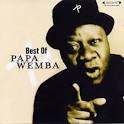 2014Maître D'école
 2005Papa Wemba
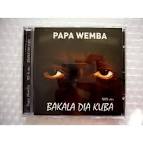 2001Bakala Dia Kuba
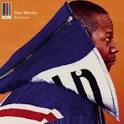 1995Emotion
 0Wake Up
 0Kuru Yaka