
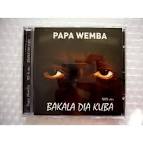
One week with Bakala Dia Kuba: thoughts on Papa Wemba
Bakala Dia Kuba- Album Overview
"Bakala Dia Kuba" is a landmark album by Congolese music legend Papa Wemba, released in 1999 under the label of Sony Music. Widely regarded as a pivotal work in the genre of soukous, the album showcases Wemba's unique blend of traditional Congolese rumba and modern pop influences. The recording took place in Paris, where Wemba had established a significant presence, allowing him to collaborate with a variety of talented musicians and producers. The album features tracks that not only highlight Wemba's vocal prowess but also his ability to weave intricate narratives within his lyrics, often reflecting themes of love, social issues, and cultural identity. The album includes notable tracks such as "Kele Kele," which became a hit in various African and European markets. Wemba's work on "Bakala Dia Kuba" is characterized by vibrant instrumentation, rich harmonies, and infectious rhythms, establishing a sound that resonates with both traditional and contemporary audiences. The album stands as a testament to Wemba's influence in the development of modern African music, bridging the gap between generations and inviting listeners to celebrate their cultural heritage. Moreover, Wemba's fashion sense and stage presence during this period contributed to his status as a cultural icon, further elevating the significance of this album in the broader context of African music. With "Bakala Dia Kuba," Papa Wemba not only solidified his legacy but also inspired countless artists within the genre.
Review
The auditory experience of "Bakala Dia Kuba" is a vibrant celebration of life, infused with Wemba's charismatic energy and masterful vocal delivery. The opening track sets a lively tone, inviting listeners into a world where traditional rhythms meet contemporary flair. Lyrically, Wemba excels at storytelling, often using metaphor and local vernacular to convey deeper messages about love, struggle, and joy. His ability to mix genres is evident throughout the album, with influences from rumba, pop, and other African styles seamlessly intertwined. The production quality is commendable; it captures the essence of live performance while ensuring clarity in the instrumental layers. The arrangements are lush yet polished, allowing the intricate guitar work and rhythmic percussion to shine without overshadowing Wemba's vocals. However, while the album is undoubtedly enjoyable, some tracks may feel repetitive, especially for listeners unfamiliar with the genre. Overall, Wemba's artistic vision is clear, and he succeeds in creating an album that is both accessible and rich in cultural significance.
Highlights
- Vibrant production that blends traditional and contemporary sounds.
- Strong lyrical storytelling that resonates with cultural themes.
- Charismatic vocal performance that showcases Wemba's range and artistry.
Weak points
- Some tracks may feel repetitive for those not well-versed in the genre.
- A few songs could benefit from more dynamic arrangements.
- Limited international exposure compared to other global artists of the era.
Overall evaluation
"Bakala Dia Kuba" is a significant contribution to the world of African music, showcasing Papa Wemba's remarkable talent and cultural depth. It stands as a vibrant testament to the power of music in bridging cultural divides and celebrating heritage. For those who appreciate rich, rhythmic soundscapes and poignant storytelling, this album is a must-listen.
Personal rating: 8/10 2014Maître D'école
 2005Papa Wemba
 1998Molokai
 1995Emotion
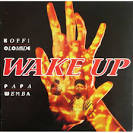 0Wake Up
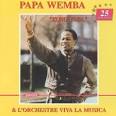 0Kuru Yaka