
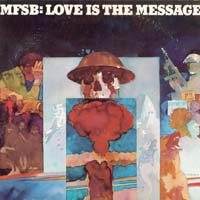
Mfsb, The Gamble-huff Orchestra: exploring the world of Mfsb
Mfsb, The Gamble-huff Orchestra- Album Overview
The album "Mfsb" by the Gamble-Huff Orchestra, released in 1973, is a seminal work in the genre of Philadelphia soul and is a cornerstone of the sound developed by the Philadelphia International Records label, founded by Kenny Gamble and Leon Huff. The album showcases the unique blend of orchestral arrangements and rhythm and blues, combining lush instrumentation with tight grooves that became synonymous with the Philadelphia sound. Mfsb, which stands for Mother Father Sister Brother, is essentially a collective of session musicians who played on numerous hits for other artists, but here they step into the spotlight with their own record.
The album features a mix of instrumental tracks and vocal performances, showcasing the talents of an array of Philadelphia musicians. Notable tracks include the iconic "TSOP (The Sound of Philadelphia)," which became the theme song for the television show "Soul Train" and a hit in its own right, reaching number one on the Billboard Hot 100. The album's production is characterized by its rich textures and intricate arrangements, a hallmark of Gamble and Huff's approach to music-making. Collaborators on this album include renowned musicians such as Earl Young, Bobby Eli, and Norman Harris, who contributed to the lush soundscapes and catchy hooks that define the record.
Musically, "Mfsb" explores themes of love and social consciousness, reflecting the cultural milieu of the early 1970s. It not only solidified the Gamble-Huff duo's reputation as producers but also helped to elevate the genre of soul music, paving the way for future artists. The album remains a critical piece of music history, representing a high point in the Philadelphia sound movement and influencing countless artists across genres.
Review
The sound of "Mfsb" is a captivating blend of orchestral soul and funk, characterized by its richly layered instrumentation and infectious grooves. The track "TSOP" is a prime example of this, with its catchy melody and rhythmic precision that can instantly transport listeners to the dance floor. The album's production is immaculate, showcasing the Gamble-Huff team's expertise in crafting a polished yet vibrant sonic experience. The arrangements are lush without being overwhelming, allowing the musicians' talents to shine through. Vocally, the album features a variety of styles, with harmonies that elevate the overall listening experience.
Lyrically, the themes often revolve around love and community, reflecting the ethos of the time. The artistic vision of Mfsb is not just to entertain but to evoke emotion and connection through music. This ability to resonate with audiences has helped the album maintain its relevance over the decades, as new generations discover the richness of the Philadelphia sound.
Highlights
- Impeccable production quality that showcases the talents of the Gamble-Huff Orchestra.
- Iconic tracks like "TSOP (The Sound of Philadelphia)" that have become cultural touchstones.
- A unique blend of orchestral arrangements and funk that set the standard for future soul music.
Weak points
- Some tracks may feel repetitive or formulaic compared to the standout hits.
- Instrumental pieces may not resonate with listeners looking for strong vocal performances.
- The album's musical style may appeal primarily to fans of classic soul, potentially alienating a broader audience.
Overall evaluation
Mfsb's self-titled album is a landmark in the Philadelphia soul genre, showcasing the incredible talents of the Gamble-Huff Orchestra and solidifying their legacy. Its timeless sound and cultural significance continue to resonate, making it a must-listen for any soul music enthusiast.
Personal rating: 8/10