Biography
Mfsb: history and sound
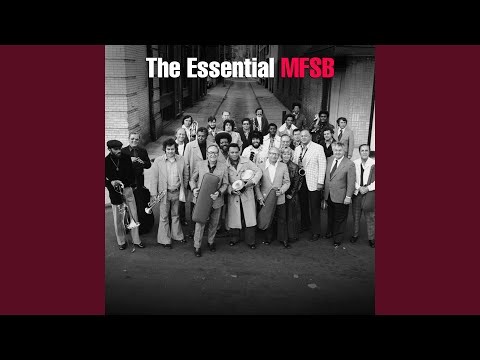
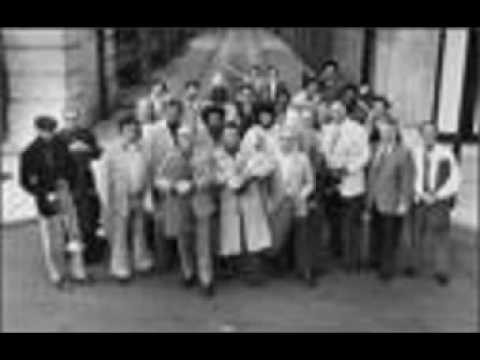
MFSB (according to the clean interpretation, Mother Father Sister Brother) was a pool of more than thirty studio musicians based at Philadelphia’s famed Sigma Sound Studios.
The Legacy of MFSB: A Legendary Group That Redefined R&B Music
The world of music is filled with many legends who have made a significant impact on the industry. One of those legendary groups is MFSB, who revolutionized R&B with their unique sound and style. The group has been active since the early 1970s, and to this day, their music resonates with the hearts and souls of many. In this article, we’ll dive into the biography of MFSB, their best songs, their music genre, famous concerts, and explore a critic's view on their music.
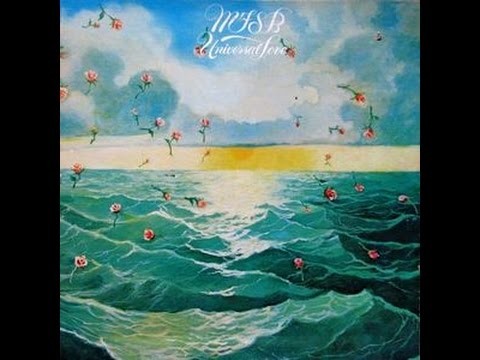
MFSB, which stands for Mother Father Sister Brother, was formed in Philadelphia, Pennsylvania, in 1971. The group was initially created as the house band for Philadelphia International Records, and as such, they backed up many famous artists of the era, such as The O'Jays, Joe Simon, and Billy Paul. It wasn't long before the band's unique instrumental sound took center stage, with their first album, MFSB, released in 1973 – a collection of groovy instrumental tracks that cemented their status as a musical force to be reckoned with.
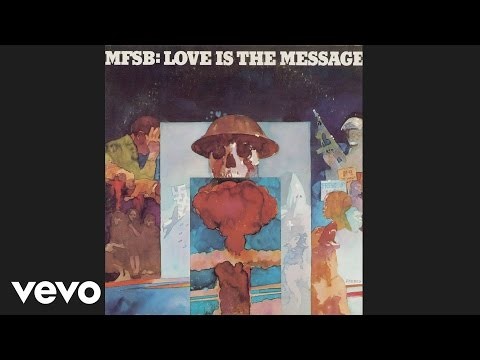
When it comes to MFSB's musical genre, it's a fusion of R&B, soul, and funk. Their unique sound is characterized by their use of strings, woodwinds, and brass instruments, all played with impeccable precision, and backed up by tight percussion and an infectious bassline. The result is a sound that's both upbeat and infectious. Some of the best songs from MFSB include TSOP (The Sound of Philadelphia), Love is the Message, and K-Jee, all of which continue to be played by DJs and fans of R&B music even today.
MFSB's popularity skyrocketed in the 70s and early 80s, and they played many famous concerts during that time, such as the 1974 Soul Train Awards, where they performed TSOP (The Sound of Philadelphia) live. The song, which served as the theme song for the hit TV show, went on to top the charts and earn the group their first Grammy award. Other notable concerts by MFSB include a performance at Madison Square Garden in New York City and the band's show at the Cultural Centre in Kingston, Jamaica.
Critics of MFSB have praised the group for their pioneering sound and the impact they had in redefining R&B music. One critic described their music as a perfect balance of instrumentation and rhythm that's both complex and simple at the same time. Others have praised their development of the Philly soul sound, which includes a blend of R&B, funk, and jazz.
MFSB is a legendary group that left an indelible mark on the R&B and soul music scene. Their unique sound and style continue to inspire and delight music lovers all over the world, and their influence can be heard in the music of many contemporary artists today. Whether you're a die-hard fan of the band or just an admirer of R&B music, there's no denying the impact that MFSB has had on the industry. Here's to the legacy of MFSB, a group that will forever be remembered in the hearts and minds of music lovers everywhere.
The Legacy of MFSB: A Legendary Group That Redefined R&B Music
The world of music is filled with many legends who have made a significant impact on the industry. One of those legendary groups is MFSB, who revolutionized R&B with their unique sound and style. The group has been active since the early 1970s, and to this day, their music resonates with the hearts and souls of many. In this article, we’ll dive into the biography of MFSB, their best songs, their music genre, famous concerts, and explore a critic's view on their music.
MFSB, which stands for Mother Father Sister Brother, was formed in Philadelphia, Pennsylvania, in 1971. The group was initially created as the house band for Philadelphia International Records, and as such, they backed up many famous artists of the era, such as The O'Jays, Joe Simon, and Billy Paul. It wasn't long before the band's unique instrumental sound took center stage, with their first album, MFSB, released in 1973 – a collection of groovy instrumental tracks that cemented their status as a musical force to be reckoned with.
When it comes to MFSB's musical genre, it's a fusion of R&B, soul, and funk. Their unique sound is characterized by their use of strings, woodwinds, and brass instruments, all played with impeccable precision, and backed up by tight percussion and an infectious bassline. The result is a sound that's both upbeat and infectious. Some of the best songs from MFSB include TSOP (The Sound of Philadelphia), Love is the Message, and K-Jee, all of which continue to be played by DJs and fans of R&B music even today.
MFSB's popularity skyrocketed in the 70s and early 80s, and they played many famous concerts during that time, such as the 1974 Soul Train Awards, where they performed TSOP (The Sound of Philadelphia) live. The song, which served as the theme song for the hit TV show, went on to top the charts and earn the group their first Grammy award. Other notable concerts by MFSB include a performance at Madison Square Garden in New York City and the band's show at the Cultural Centre in Kingston, Jamaica.
Critics of MFSB have praised the group for their pioneering sound and the impact they had in redefining R&B music. One critic described their music as a perfect balance of instrumentation and rhythm that's both complex and simple at the same time. Others have praised their development of the Philly soul sound, which includes a blend of R&B, funk, and jazz.
MFSB is a legendary group that left an indelible mark on the R&B and soul music scene. Their unique sound and style continue to inspire and delight music lovers all over the world, and their influence can be heard in the music of many contemporary artists today. Whether you're a die-hard fan of the band or just an admirer of R&B music, there's no denying the impact that MFSB has had on the industry. Here's to the legacy of MFSB, a group that will forever be remembered in the hearts and minds of music lovers everywhere.