
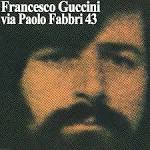
Listening to L'ultima Thule by Francesco Guccini
L'ultima Thule- Album Overview
L'ultima Thule, released in 1976, is a seminal album by Italian singer-songwriter Francesco Guccini. It was produced under the EMI label and showcases Guccini's masterful blend of folk, rock, and poetic lyricism. The album's title, which translates to "The Last Thule," references a mythical northern land, capturing the essence of exploration and nostalgia that permeates the collection. Recorded in various studios, including the renowned RCA Italiana, the album features contributions from several talented musicians, including Antonio Marangolo on saxophone and Fabrizio De André on backing vocals, further enhancing its rich soundscape.
The album consists of tracks that delve into themes of love, loss, and socio-political commentary, making it a significant cultural artifact of the 1970s Italy. Notable singles include "L'Avvelenata" and "Dio è morto," which resonated deeply with listeners and cemented Guccini's reputation as a leading voice of his generation. The intricate arrangements and Guccini's emotive storytelling reflect the socio-political climate of the time, positioning the album within the broader context of the Italian cantautorato movement. Its lyrical depth and musical craftsmanship have made L'ultima Thule a timeless classic, influencing countless artists and continuing to captivate audiences to this day.
Review
L'ultima Thule stands as a testament to Guccini's artistic vision, blending evocative lyrics with rich musical textures. The album's sound is characterized by a fusion of folk and rock elements, enhanced by orchestral arrangements that elevate the emotional weight of the songs. Guccini's voice is both haunting and comforting, guiding listeners through a landscape of introspection and cultural critique. The lyrics are deeply personal yet universally relatable, tackling themes of existentialism and social justice with a poetic flair that is rarely matched.
Musically, the album is diverse, from the melancholic ballad "La Locomotiva," which tells a powerful story of rebellion, to the more upbeat, folk-infused tracks that encourage reflection and connection. Guccini's ability to weave narratives with vivid imagery allows listeners to immerse themselves in his world. Overall, the album represents a high point in Guccini's career, showcasing his growth as an artist and his commitment to addressing the human condition through music.
Highlights
- Rich and evocative lyrics that resonate on multiple levels.
- Diverse musical arrangements that blend folk and rock seamlessly.
- Timeless themes of love, loss, and social commentary that remain relevant.
Weak points
- Some tracks may feel lengthy or meandering for modern listeners.
- The album's introspective nature may not appeal to those preferring more upbeat music.
- Limited mainstream exposure outside of Italy, potentially restricting its audience.
Overall evaluation
L'ultima Thule by Francesco Guccini is a landmark album that encapsulates the spirit of its time while remaining deeply personal and introspective. Its blend of rich storytelling and diverse musical styles makes it a compelling listen for fans of singer-songwriter traditions.
Personal rating: 9/10 1972Radici