
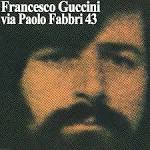
Francesco Guccini experiments boldly on Due Anni Dopo
Due Anni Dopo- Album Overview
Released in 1974, "Due Anni Dopo" marks a significant chapter in the career of Italian singer-songwriter Francesco Guccini. The album was produced under the label EMI Italiana and showcases Guccini's evolution as a lyricist and musician. Known for his poetic and often introspective lyrics, Guccini delves into themes of nostalgia, social issues, and personal reflection throughout this album. The recording took place in a period when Guccini was experimenting with different musical styles, blending folk, rock, and even elements of progressive music. Collaborators on the album include notable musicians such as Lucio Dalla, who contributed his unique flair to the arrangements, and the renowned producer Gian Piero Reverberi, known for his work with various Italian artists. "Due Anni Dopo" features standout tracks like "L'Ultima Thule" and "Dio è Morto," both of which highlight Guccini's knack for storytelling and his ability to evoke deep emotions. The album's release during a politically charged era in Italy added to its cultural significance, as Guccini's lyrics often reflected the sentiments of a generation grappling with change. The singles released from the album received considerable airplay, further solidifying Guccini's place in the Italian music scene. As a bold exploration of both sound and subject matter, "Due Anni Dopo" remains a critical work in Guccini's discography and in the landscape of Italian music.
Review
"Due Anni Dopo" showcases Francesco Guccini at his most experimental, pushing the boundaries of his established folk roots while still retaining the lyrical depth that fans have come to expect. The album opens with a haunting melody that sets the tone for a collection of songs rich with storytelling. Guccini's voice is both powerful and vulnerable, conveying complex emotions that resonate with audiences. The instrumentation is diverse, incorporating acoustic guitars, orchestral strings, and even rock-infused arrangements that create a dynamic listening experience. Lyrically, Guccini's storytelling shines through, with narratives that evoke both personal and societal reflections. The boldness of tracks like "Dio è Morto" challenges listeners to confront uncomfortable truths, while others, like "L'Ultima Thule," transport them to a more nostalgic space. Guccini's ability to blend personal experiences with broader cultural commentary elevates the album, making it not just a musical endeavor but a significant cultural artifact of its time.
Highlights
- Rich, poetic lyrics that resonate with deep emotional and cultural themes.
- Diverse instrumentation that showcases Guccini's willingness to experiment with sound.
- Memorable melodies that remain impactful and timeless.
Weak points
- Some tracks may feel less accessible to casual listeners due to their complex themes.
- The album's experimental nature might not appeal to traditional folk purists.
- Occasional pacing issues between tracks may disrupt the overall flow.
Overall evaluation
"Due Anni Dopo" is a bold testament to Francesco Guccini's artistic evolution, blending poignant lyrics with innovative soundscapes. It stands as a milestone in Italian music, reflecting both personal and societal narratives of the time.
Personal rating: 8/10 1972Radici