
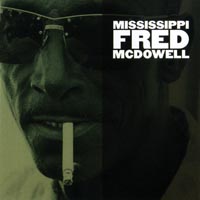
A closer look at Mississippi Fred McDowell's album Long Way From Home: The Blues Of Fred McDowell
Long Way From Home: The Blues Of Fred Mcdowell- Album Overview
Released in 1969, "Long Way From Home: The Blues Of Fred McDowell" is a seminal album that encapsulates the raw essence of Mississippi Fred McDowell’s blues artistry. The album was released on the prestigious Testament Records label, which was known for its focus on authentic blues and jazz music. Fred McDowell, a pivotal figure in the Mississippi Hill Country blues tradition, was known for his distinctive slide guitar playing and deeply emotive vocal style. This particular album was recorded in the late 1960s, a period when McDowell was gaining recognition beyond local circles, thanks in part to the folk revival movement that brought traditional blues music to new audiences. The recording sessions featured McDowell’s haunting vocals and intricate guitar work, showcasing his mastery of both the acoustic and electric guitar. Notably, the album includes several original compositions alongside traditional blues standards, a testament to McDowell's ability to blend personal narrative with the broader blues tradition. Some standout tracks include "You Got to Move," which has since become a blues standard, and "Long Way From Home," both of which exemplify McDowell's profound storytelling ability. The cultural significance of this album extends beyond its musical content; it captures a pivotal moment in the blues genre's evolution, bridging the gap between traditional folk influences and the electric blues sound that would dominate the 1970s. Collaborators on this album included prominent blues musicians of the time, contributing to its rich, authentic sound. "Long Way From Home" remains an essential listen for anyone interested in the deep roots of American music.
Review
The sound of "Long Way From Home" is a striking blend of raw authenticity and emotional depth. McDowell's guitar work is both intricate and powerful, weaving a tapestry of sound that draws listeners into the stories he tells. His slide guitar technique is particularly noteworthy, as it adds a haunting quality to the tracks that resonates long after the music has stopped. Lyrically, McDowell's songs are steeped in personal and cultural experiences, reflecting the struggles and joys of life in the Mississippi Delta. The album's production captures the essence of McDowell's live performances, with an unpolished yet intimate feel that immerses listeners in the heart of the blues. While some tracks may feel repetitive in their structure, they serve to reinforce the emotional weight of the lyrics and the overarching themes of love, loss, and resilience that permeate the album. McDowell's artistic vision shines through in every note, and his ability to convey deep emotion through simple yet powerful lyrics is a testament to his genius as a songwriter.
Highlights
- Masterful slide guitar playing that defines the album's sound.
- Emotionally resonant lyrics that capture the essence of the blues tradition.
- A raw, authentic production style that preserves the live performance feel.
Weak points
- Some tracks may feel structurally repetitive to modern listeners.
- The raw production may not appeal to those accustomed to polished studio albums.
- Limited commercial appeal outside of dedicated blues enthusiasts.
Overall evaluation
"Long Way From Home: The Blues Of Fred McDowell" stands as a crucial work in the blues canon, showcasing the talent of a legendary musician at a pivotal moment in his career. While it may not cater to all tastes, its authenticity and emotional depth make it a timeless piece of art.
Personal rating: 8/10