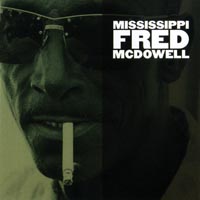
ALBUM NOTESMississippi Fred McDowell-I Do Not Play No Rock 'n' Roll – I Do Not Play No Rock 'n' Roll: a sonic journey
Album overview
Released in 1969, "I Do Not Play No Rock 'n' Roll" is a seminal album by Mississippi Fred McDowell, a foundational figure in the Mississippi blues genre. The album was produced by Alan Lomax, a renowned folklorist, and musicologist, who played a significant role in preserving American folk music. The recording took place in Mississippi, featuring McDowell's raw, unfiltered guitar work and distinctive vocal style, encapsulating the essence of Delta blues.
The album was released under the label Arhoolie Records, a label known for its dedication to authentic American roots music. The title track, "I Do Not Play No Rock 'n' Roll," is emblematic of McDowell's philosophy towards music, rejecting the burgeoning rock genre while firmly rooting himself in the traditional sounds of blues. Other notable tracks include "You Got to Move," which has been covered by various artists, including the Rolling Stones, highlighting its cultural significance.
McDowell's music is characterized by its storytelling, reflecting the struggles and experiences of African Americans in the South. His fingerpicking style and slide guitar technique have influenced countless musicians, and this album remains a vital part of blues history. The raw emotion in McDowell's music offers listeners a glimpse into the heart of American music culture, making this album not only a collection of songs but a historical document as well.
Review
"I Do Not Play No Rock 'n' Roll" stands as a testament to Mississippi Fred McDowell's artistic vision and commitment to the blues genre. The album captures a raw authenticity, with McDowell's gritty vocals and masterful guitar work creating a sound that is both timeless and deeply rooted in the tradition of Delta blues. The production, overseen by Alan Lomax, enhances the organic feel of the recordings, allowing the listener to immerse themselves in the rich textures of McDowell's music.
Lyrically, McDowell's songs resonate with themes of hardship, resilience, and a deep connection to the land and culture that shaped his life. His rejection of rock 'n' roll serves as a poignant reminder of the genre's roots and the importance of preserving traditional blues music. The sparse instrumentation and unpolished sound lend an intimacy to the tracks, inviting listeners into McDowell's world.
While some may find the album's simplicity a drawback, it is this very quality that makes it powerful. McDowell's ability to convey profound emotions through his music is a hallmark of his artistry, and this record is a prime example of his skill in storytelling through song.
Highlights
- Raw and authentic sound that captures the essence of Delta blues.
- Influential guitar work that showcases McDowell's mastery of the genre.
- Powerful storytelling that reflects the struggles and culture of African Americans in the South.
Weak points
- May feel too sparse or unrefined for listeners accustomed to modern production.
- Limited range in musical variation across tracks.
- Some may find the rejection of rock 'n' roll limiting in terms of musical exploration.
Overall evaluation
"I Do Not Play No Rock 'n' Roll" is an essential listen for anyone interested in the roots of American music. Mississippi Fred McDowell's powerful voice and guitar work create an unforgettable experience that resonates with the spirit of the blues. This album is a crucial piece of musical history, showcasing the depth and emotional weight of traditional blues.
Personal rating: 8/10
```