Album overview
George Harrison's "Living in the Material World," released on May 30, 1973, serves as a profound exploration of spirituality, materialism, and the human experience. The album was released under the Dark Horse label and is characterized by its blend of rock, pop, and spiritual themes, a hallmark of Harrison's post-Beatles career. The recording sessions took place at the A&M Studios in Los Angeles, featuring contributions from notable musicians such as Eric Clapton, Billy Preston, and members of the band Badfinger.
The album produced the hit single "Give Me Love (Give Me Peace on Earth)," which topped the charts and remains one of Harrison's most beloved songs. Other tracks, such as "The Light That Has Lighted the World" and "Sue Me, Sue You Blues," reflect his introspective lyrical style and rich musical composition. The album's production, primarily overseen by Harrison himself, showcases lush arrangements and a meticulously crafted sound, with a focus on conveying deep emotional resonance.
"Living in the Material World" stands as a culturally significant work, reflecting the artist's struggle with fame and his quest for spiritual enlightenment. It embodies Harrison's unique blend of Eastern philosophy with Western musical traditions, making it a pivotal release in the 1970s rock landscape and a testament to his artistic vision.
Review
Harrison's "Living in the Material World" is a deeply personal record, infused with a sense of longing and reflection that resonates throughout its tracks. The sound is characterized by a rich tapestry of instrumentation, from shimmering strings to soulful guitar solos, and Harrison's distinctive vocals carry an emotive weight that draws listeners into his world. Lyrically, the album traverses the tension between spiritual aspirations and earthly desires, encapsulating a universal struggle that many can relate to.
The production is both polished and organic, allowing the raw emotion of Harrison's songwriting to shine through. Tracks like "Give Me Love" exude a yearning for peace and connection, while "Sue Me, Sue You Blues" offers a more cynical take on the music industry, showcasing Harrison's versatility as a songwriter. The album's artistic vision is cohesive, weaving together themes of love, loss, and the search for meaning in a materialistic world, making it a compelling listen from start to finish.
Highlights
- Rich, immersive soundscapes that blend rock and spiritual themes.
- Powerful and introspective lyrics that resonate on a personal level.
- Strong collaborative efforts with talented musicians enhancing the overall quality.
Weak points
- Some tracks may feel overly introspective, potentially alienating casual listeners.
- The production, while lush, may overwhelm the simplicity of the songwriting for some.
- Not as commercially accessible as Harrison's more famous works, which might limit its reach.
Overall evaluation
"Living in the Material World" is a profound reflection of George Harrison's artistic journey, exploring themes of spirituality and materialism with sincerity and depth. While it may not reach the same commercial heights as some of his other works, it remains a significant and heartfelt contribution to rock music and a testament to Harrison's enduring legacy.
Personal rating: 8/10
```

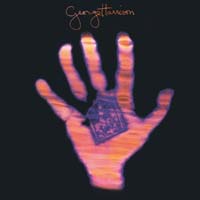
 2002Brainwashed
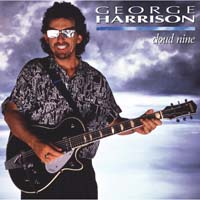 1987Cloud Nine
 1982Gone Troppo
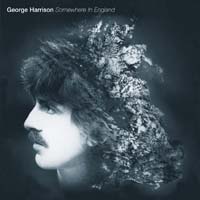 1980Somewhere in England
 1979George Harrison
.jpg) 1975Extra Texture (Read All About It)
1975Extra Texture (Read All About It)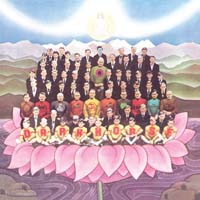 1974Dark Horse
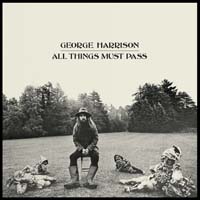 1970All Things Must Pass
 1969Electronic Sound
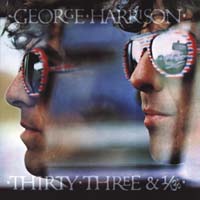 0Thirty Three