ALBUM NOTESUnpacking George Harrison-Electronic Sound's Electronic Sound
Album overview
George Harrison's "Electronic Sound," released in 1969, marks a pivotal moment in the intersection of rock music and electronic experimentation. This album, released on Harrison's own label, Dark Horse Records, showcases the artist's fascination with avant-garde music and the nascent genre of electronic soundscapes. The record is notable for featuring two long tracks: "Under the Mersey Wall" and "No Time or Space," both of which emphasize experimental sounds over conventional song structures, highlighting Harrison's departure from traditional rock. The album was recorded during a period when Harrison was exploring Eastern philosophies and spirituality, which influenced his artistic vision. Collaborators included musicians like Klaus Voormann, and the album was produced by Harrison himself, who sought to push the boundaries of sound. While "Electronic Sound" did not produce any hit singles, it gained recognition for its innovative approach and has been cited as an important precursor to the electronic music genre that would flourish in the following decades. The album reflects a cultural shift of the late 1960s, where artists began to embrace technology and new forms of expression, setting the stage for future musicians to explore the electronic realm.
Review
"Electronic Sound" is a fascinating exploration of sound that captures George Harrison's adventurous spirit. The two tracks are immersive soundscapes that eschew traditional melodies for an abstract sonic experience. "Under the Mersey Wall" opens with a gentle, flowing sound that gradually builds tension, while "No Time or Space" explores the use of synthesizers and tape loops to create a dreamlike atmosphere. The lack of lyrics allows listeners to lose themselves in the textures and layers of sound, reflecting Harrison's interest in meditation and transcendence. However, this lack of conventional structure may alienate some listeners seeking the catchy hooks characteristic of Harrison's work with The Beatles. Overall, the album is an intriguing glimpse into the mind of an artist unafraid to experiment, showcasing a side of Harrison that is both introspective and groundbreaking.
Highlights
- Innovative use of electronic instruments and sound manipulation.
- Reflects Harrison's spiritual journey and artistic evolution.
- Contributes to the foundation of electronic music in popular culture.
Weak points
- May be too abstract for fans of traditional rock music.
- Lacks the lyrical depth found in Harrison's other works.
- Only two tracks, which may leave listeners wanting more variety.
Overall evaluation
"Electronic Sound" is a bold experiment that challenges the conventions of music in the late 1960s. While it may not appeal to all listeners, its significance in the evolution of electronic music cannot be understated.
Personal rating: 7/10
```

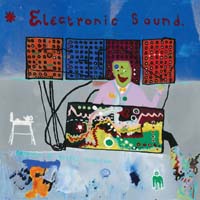
 2002Brainwashed
 1987Cloud Nine
 1982Gone Troppo
 1980Somewhere in England
 1979George Harrison
.jpg) 1975Extra Texture (Read All About It)
1975Extra Texture (Read All About It) 1974Dark Horse
 1973Living in the Material World
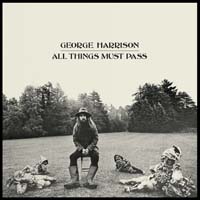 1970All Things Must Pass
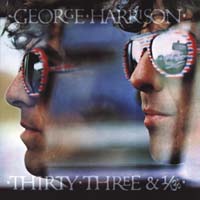 0Thirty Three