
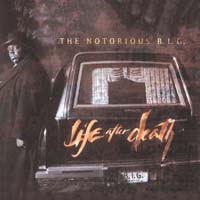
Inside Life After Death by The Notorious B.I.G.
Life After Death- Album Overview
Released on March 25, 1997, just weeks after the tragic death of its creator, "Life After Death" is the second and final studio album by The Notorious B.I.G., a cornerstone figure in East Coast hip-hop. The album was released under Bad Boy Records, a label co-founded by Sean "Diddy" Combs, who played a significant role in its production and promotion. The recording process took place in various studios, including The Hit Factory in New York City, and involved a star-studded roster of collaborators, including Puff Daddy, Lil' Kim, and The LOX, among others.
Spanning 24 tracks and divided into two discs, the album showcases a diverse range of sounds, incorporating elements of funk, soul, and R&B, alongside the hardcore rap style that Biggie was known for. Notable singles like "Hypnotize," "Mo Money Mo Problems," and "Sky's the Limit" contributed to its commercial success, with "Hypnotize" reaching number one on the Billboard Hot 100.
"Life After Death" is not only a commercial triumph, debuting at number one on the Billboard 200, but also a critical one, often lauded as one of the greatest hip-hop albums of all time. Its lyrical content reflects the duality of Biggie's life—celebrating success while grappling with the dangers of fame and the realities of street life. The album's impact on hip-hop culture is profound, marking a turning point in the genre's evolution, establishing Biggie as a lyrical genius and an influential figure whose work continues to resonate today.
Review
"Life After Death" is an expansive auditory journey that encapsulates The Notorious B.I.G.'s mastery of storytelling through rap. The album's production is characterized by lush instrumentals and intricate beats, expertly curated by Puff Daddy and a team of skilled producers, including Trackmasters and Stevie J. Lyrically, Biggie weaves narratives that combine braggadocio with vulnerability, offering listeners a glimpse into his life experiences and the struggles that shaped him. Tracks like "Everyday Struggle" highlight his introspective side, while "Notorious Thugs" showcases his ability to seamlessly blend different rap styles.
Biggie's flow is impeccable, marked by a distinctive cadence that shifts effortlessly between smooth melodies and sharp, biting verses. His incorporation of clever wordplay and vivid imagery brings his stories to life, making each track a compelling narrative. The album's thematic depth and musical innovation challenge listeners to engage with the complexities of his life and the socio-political landscape of the time, solidifying its place in both hip-hop history and popular culture.
Highlights
- The seamless combination of various musical styles, enhancing its broad appeal.
- Biggie’s unparalleled storytelling ability, which brings depth to each track.
- The impactful collaborations with other artists, enriching the overall sound.
Weak points
- The lengthy tracklist may be overwhelming for some listeners.
- Some tracks may feel less cohesive in terms of thematic continuity.
- Occasional reliance on guest features that overshadow Biggie's solo performance.
Overall evaluation
"Life After Death" stands as a monumental achievement in hip-hop, capturing the essence of The Notorious B.I.G.'s artistry and the culture of his time. Its blend of lyrical prowess and innovative production continues to influence artists across genres.
Personal rating: 10/10 2021Music Inspired By Biggie: I Got A Story To Tell
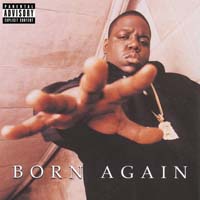 1999Born Again