Biography
The Notorious B.I.G.: history and sound
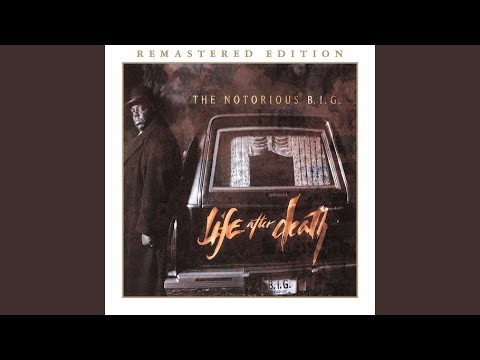
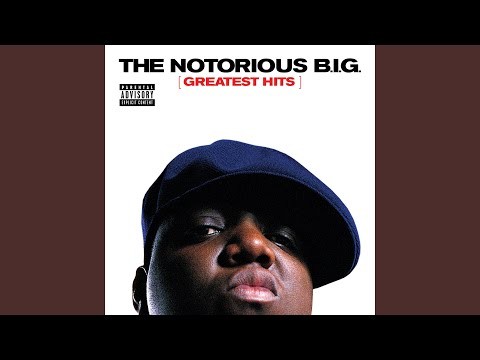
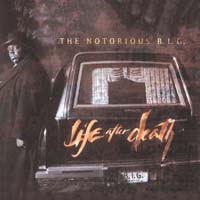
Christopher George Latore Wallace (May 21, 1972 – March 9, 1997), better known by his stage names The Notorious B. The Notorious B.I.G. is best known for pioneering East Coast rap and popularizing a melodic flow style, bringing hardcore reality back to the charts. His extensive catalog overflows with songs of powerful storytelling, slick lyrics and an unmatched level of braggadocious musicanship all rooted in the sound and culture of Brooklyn, New York. One thing that stands out across his landmark albums Ready To Die and Life After Death is the realness behind his lyricism — vivid details unveiling tales of hardship, struggle and classic blends of wordplay full on joyous beats worthy to rule any party or even as eulogy music. There’s no denying B.I.G remains one of the most influential figures in hip hop history as each song remains timeless like diamonds in the sky and yet upon every revisit each line brings audiences into multiVERSE new lyrical experiences enwrapped by his deep captivating cadence still fresh today!
The Notorious B.I.G. - A Look into the Life of One of Hip-Hop's Legends
When it comes to influential artists in the hip-hop industry, The Notorious B.I.G. stands out as one of the greatest. His raw, authentic lyrics and unique storytelling ability have solidified his place in music history. The Brooklyn native, also known as Biggie Smalls, is considered to be one of the most talented rappers to ever grace the mic. In this article, we'll dive into his musical biography, discuss his music genre, and highlight some of his best songs and famous concerts.
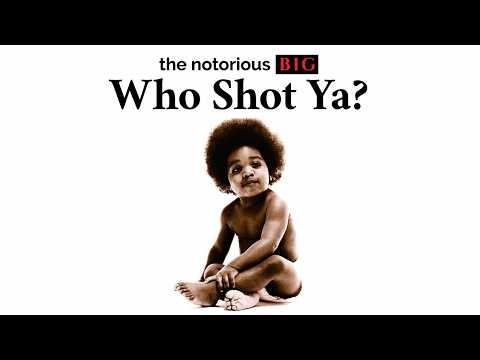
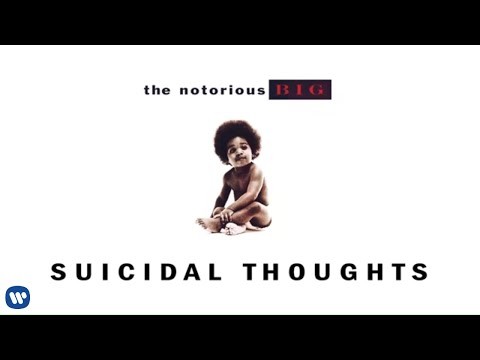
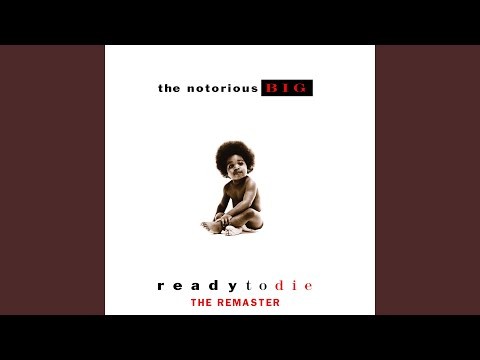
Born Christopher Wallace in 1972, The Notorious B.I.G. grew up in a rough part of Brooklyn, where drug deals and violence were commonplace. As a teenager, he started selling drugs but soon realized he had a talent for rhyming. In 1992, he signed to Bad Boy Records and released his debut album, Ready to Die. The album was an instant success, featuring hits like Juicy and Big Poppa. Biggie's lyrics were relatable to people from all walks of life, and his storytelling ability was unmatched. Unfortunately, his life was cut short when he was tragically shot and killed in 1997 at the age of 24.
Musically, The Notorious B.I.G. is known for his unique blend of storytelling, humor, and raw emotion. His music genre falls under the umbrella of East Coast hip-hop, which was characterized by its gritty, real-life lyrics. Biggie's style was heavily influenced by jazz and soul music, which could be heard in his beats and samples. He has been compared to other legendary rappers like Tupac and Jay-Z, but his distinctive voice and storytelling ability set him apart and secured his spot as a hip-hop icon.
It's difficult to pick just a few of The Notorious B.I.G.'s best songs because he had so many hits. However, some of his most iconic tracks include Juicy, Big Poppa, Hypnotize, One More Chance, and Mo Money Mo Problems. These songs showcase his lyrical genius and unique style. Big Poppa, in particular, is one of his most revered tracks and features a smooth beat and memorable hook. The song was a crossover hit that appealed to both rap and mainstream audiences.
In terms of famous concerts, The Notorious B.I.G. performed at the Source Awards in 1995, where he famously declared if you don't know, now you know to the crowd. This line has become a memorable hip-hop catchphrase and is still commonly used today. Another legendary concert performance was his appearance on MTV's Unplugged in 1997. Biggie performed some of his biggest hits acoustically and showed his versatility as an artist. Unfortunately, this would be one of his last performances before his tragic death.
Critics have consistently lauded The Notorious B.I.G. for his authentic storytelling ability and unique flow. His music continues to resonate with fans to this day, and his legacy lives on as a hip-hop legend. However, some critics have criticized his misogynistic lyrics and glorification of violence in his music. Regardless, it cannot be denied that his impact on hip-hop culture is immeasurable and his influence is felt by countless artists today.
The Notorious B.I.G. will always be remembered as one of the best rappers to ever pick up the mic. His unique style, raw lyrics, and storytelling ability have left an indelible mark on music history. While his life was cut short, his music continues to inspire and influence new generations of artists. Whether you're a lifelong hip-hop fan or just getting into the genre, The Notorious B.I.G. is a name you should know. His legacy lives on through his music, and for that, we are eternally grateful.
The Notorious B.I.G. - A Look into the Life of One of Hip-Hop's Legends
When it comes to influential artists in the hip-hop industry, The Notorious B.I.G. stands out as one of the greatest. His raw, authentic lyrics and unique storytelling ability have solidified his place in music history. The Brooklyn native, also known as Biggie Smalls, is considered to be one of the most talented rappers to ever grace the mic. In this article, we'll dive into his musical biography, discuss his music genre, and highlight some of his best songs and famous concerts.
Born Christopher Wallace in 1972, The Notorious B.I.G. grew up in a rough part of Brooklyn, where drug deals and violence were commonplace. As a teenager, he started selling drugs but soon realized he had a talent for rhyming. In 1992, he signed to Bad Boy Records and released his debut album, Ready to Die. The album was an instant success, featuring hits like Juicy and Big Poppa. Biggie's lyrics were relatable to people from all walks of life, and his storytelling ability was unmatched. Unfortunately, his life was cut short when he was tragically shot and killed in 1997 at the age of 24.
Musically, The Notorious B.I.G. is known for his unique blend of storytelling, humor, and raw emotion. His music genre falls under the umbrella of East Coast hip-hop, which was characterized by its gritty, real-life lyrics. Biggie's style was heavily influenced by jazz and soul music, which could be heard in his beats and samples. He has been compared to other legendary rappers like Tupac and Jay-Z, but his distinctive voice and storytelling ability set him apart and secured his spot as a hip-hop icon.
It's difficult to pick just a few of The Notorious B.I.G.'s best songs because he had so many hits. However, some of his most iconic tracks include Juicy, Big Poppa, Hypnotize, One More Chance, and Mo Money Mo Problems. These songs showcase his lyrical genius and unique style. Big Poppa, in particular, is one of his most revered tracks and features a smooth beat and memorable hook. The song was a crossover hit that appealed to both rap and mainstream audiences.
In terms of famous concerts, The Notorious B.I.G. performed at the Source Awards in 1995, where he famously declared if you don't know, now you know to the crowd. This line has become a memorable hip-hop catchphrase and is still commonly used today. Another legendary concert performance was his appearance on MTV's Unplugged in 1997. Biggie performed some of his biggest hits acoustically and showed his versatility as an artist. Unfortunately, this would be one of his last performances before his tragic death.
Critics have consistently lauded The Notorious B.I.G. for his authentic storytelling ability and unique flow. His music continues to resonate with fans to this day, and his legacy lives on as a hip-hop legend. However, some critics have criticized his misogynistic lyrics and glorification of violence in his music. Regardless, it cannot be denied that his impact on hip-hop culture is immeasurable and his influence is felt by countless artists today.
The Notorious B.I.G. will always be remembered as one of the best rappers to ever pick up the mic. His unique style, raw lyrics, and storytelling ability have left an indelible mark on music history. While his life was cut short, his music continues to inspire and influence new generations of artists. Whether you're a lifelong hip-hop fan or just getting into the genre, The Notorious B.I.G. is a name you should know. His legacy lives on through his music, and for that, we are eternally grateful.