
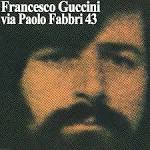
Exploring the sound of Francesco Guccini: L’isola Non Trovata
L’isola Non Trovata- Album Overview
Released in 1970, "L’isola Non Trovata" is a significant album in the discography of Italian singer-songwriter Francesco Guccini. The album, whose title translates to "The Island Not Found," showcases Guccini's prowess in blending folk, pop, and progressive rock elements, characteristic of the Italian cantautori movement of the time. It was released under the label EMI Italiana and features a collection of poignant tracks that reflect Guccini's lyrical depth and narrative style.
The recording process involved a collaborative effort with various musicians, including the renowned Italian guitarist and producer, Andrea Parodi. Guccini's poetic lyrics often draw from personal experiences and historical contexts, resonating with listeners on multiple levels. Notably, the album includes tracks such as "La Locomotiva," which has become one of his most iconic songs, encapsulating themes of struggle and social injustice.
While "L’isola Non Trovata" did not produce commercial singles in the traditional sense, the album's tracks received significant airplay and remain staples in Guccini's live performances. The album's cultural significance lies in its ability to capture the zeitgeist of 1970s Italy, marked by social upheaval and a quest for identity. Guccini's storytelling and melodic sensibilities paved the way for future generations of Italian songwriters, cementing his place in the pantheon of Italian music.
Review
Guccini's "L’isola Non Trovata" is a masterwork that balances intricate melodies with deeply reflective lyrics. His voice, rich and expressive, carries the weight of his storytelling, creating an intimate connection with the audience. The album's sound is characterized by a combination of acoustic instrumentation and subtle orchestral arrangements, providing an atmospheric backdrop to Guccini's narratives. Thematically, the songs explore a range of emotions from nostalgia to melancholy, often evoking a sense of longing for a lost past.
The arrangements are thoughtfully crafted, allowing the lyrics to take center stage. Tracks like "Auschwitz" highlight Guccini's ability to confront heavy subjects with sensitivity and reflection, marking him as a socially aware artist. The instrumentation is varied yet cohesive, with folk influences evident in guitar riffs and orchestral flourishes that add depth to the listening experience. Overall, the album stands as a testimony to Guccini's artistic vision, one that is both personal and universal.
Highlights
- Strong lyrical content that reflects social issues and personal narratives.
- Intricate acoustic arrangements that enhance the emotional depth of the songs.
- Guccini's distinctive voice and storytelling ability create a captivating listening experience.
Weak points
- The album may feel slow-paced for some listeners unfamiliar with folk-influenced music.
- Certain tracks might require multiple listens to fully appreciate their lyrical complexity.
- Lack of commercial singles may limit broader recognition outside dedicated fans.
Overall evaluation
"L’isola Non Trovata" stands out as a quintessential work in Francesco Guccini's career, illustrating his lyrical genius and musical versatility. The album's timeless themes and rich instrumentation make it a must-listen for fans of Italian music and folk traditions.
Personal rating: 9/10 1972Radici