

Breaking down the themes in King of Dub by Scientist
King of Dub- Album Overview
Released in 1981, "King of Dub" is a seminal album by the Jamaican dub producer Scientist, whose real name is Winston Rodney. The album was released under the Greensleeves Records label, which has been pivotal in promoting reggae and dub music internationally. Scientist, known for his innovative production techniques, crafted this album at King Tubby's studio, a legendary hub for reggae and dub music in Kingston, Jamaica. The album features a variety of tracks that reimagine original recordings by artists such as The Wailers and Black Uhuru, showcasing Scientist's capability to manipulate sound through effects like reverb, delay, and echo, which were hallmarks of the dub genre. "King of Dub" consists of several tracks that exemplify the ethos of dub music, focusing on rhythm and sound rather than traditional song structures. Notable tracks include "Your Teeth in My Neck," "The Dub of the Living Dead," and "The Cuss Cuss Dub." The album is often regarded as a high point in Scientist's career and contributed to the global recognition of dub music. Its cultural significance lies in its ability to blend traditional reggae elements with experimental soundscapes, influencing countless artists across genres. The album's enduring legacy is evident in its continued relevance in both reggae and electronic music scenes, with many modern artists citing Scientist as a major influence in their work. The album is not merely a collection of remixes; it represents a bold artistic vision that captures the spirit of innovation in Jamaican music during the late 20th century.
Review
Scientist's "King of Dub" stands out as a masterpiece in the dub genre, pushing the boundaries of what was possible in music production at the time. The album's sound is characterized by deep bass lines, intricate percussive rhythms, and a dynamic use of studio effects that create an immersive listening experience. It eschews conventional song structures, instead opting for a more abstract form that highlights the instrumentation and sonic experimentation. This approach not only showcases Scientist's technical prowess but also embodies the ethos of dub music as a whole: a genre that prioritizes texture and mood over traditional melody. Lyrically, the tracks often take a backseat to the soundscape, with vocal snippets used sparingly to complement the music rather than dominate it. This allows listeners to engage with the tracks on a deeper level, inviting them to explore the layers of sound that Scientist meticulously crafted. The artistic vision behind "King of Dub" reflects a time when reggae was evolving, and Scientist's work served as a bridge between the roots of reggae and its experimental future. The album resonates with themes of spirituality, social commentary, and the celebration of Jamaican culture, making it a significant piece of musical history.
Highlights
- Exceptional production quality that showcases Scientist's innovative techniques.
- A rich, immersive sound that captures the essence of dub music.
- Cultural significance as a landmark release in the evolution of reggae and dub.
Weak points
- Some listeners may find the lack of traditional song structures challenging.
- The abstract nature of the music may not appeal to those unfamiliar with the dub genre.
- Limited lyrical content could deter those who prefer more narrative-driven songs.
Overall evaluation
"King of Dub" by Scientist is a pivotal work that illustrates the transformative power of dub music. Its innovative production and cultural relevance make it a must-listen for fans of reggae and beyond. The album is an exploration of sound that continues to influence artists even today.
Personal rating: 9/10 1997Scientist Meets the Crazy Mad Professor at Channel
 1983High Priest of Dub
 1981Scientific Dub
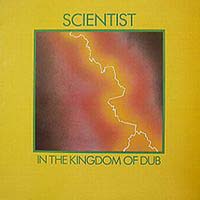 1981In the Kingdom of Dub