

Listening to Dub in the Roots Tradition by Scientist
Dub in the Roots Tradition- Album Overview
"Dub in the Roots Tradition" is a seminal dub album released in 1981 by the influential Jamaican producer Scientist, whose real name is Winston Rodney. This album is a pivotal work in the genre of dub music, which is a subgenre of reggae that emphasizes instrumental remixes of existing tracks, often featuring heavy use of reverb and echo. Released under the label Greensleeves Records, the album showcases Scientist's innovative production techniques, which were developed while working with some of the biggest names in reggae music, including King Tubby, from whom he learned the art of dub mixing.
The album is notable for its collaboration with The Roots Radics, a renowned backing band known for their tight rhythm sections and innovative musicianship. The tracks on "Dub in the Roots Tradition" are instrumental versions of songs originally recorded by artists like Barrington Levy and the legendary Black Uhuru, showcasing the transformation of vocal tracks into mesmerizing soundscapes. The album features a total of ten tracks, each layered with intricate effects and dynamic sound manipulation, hallmarks of Scientist's style.
Scientist's work on this album is characterized by its cultural significance, as it reflects the broader themes of the Rastafarian movement and the socio-political landscape of Jamaica during the 1980s. By infusing traditional reggae rhythms with experimental soundscapes, Scientist not only preserved the roots of reggae but also propelled them into exciting new territories. "Dub in the Roots Tradition" has been influential in shaping the sound of dub music and continues to be celebrated by both enthusiasts and new audiences alike.
Review
The sound of "Dub in the Roots Tradition" is a masterclass in the art of dub mixing, with each track offering a rich tapestry of layered instrumentation and effects. Scientist's ability to manipulate sound creates an immersive listening experience that transports the listener into a deep, echoing space filled with pulsating rhythms and atmospheric textures. The absence of vocals allows the instrumentation to shine, highlighting the talents of The Roots Radics and the intricate arrangements that underpin each track.
Artistically, Scientist demonstrates a clear vision of what dub music can achieve, pushing the boundaries of reggae while remaining respectful to its roots. The album's production is crisp and clean, allowing each sonic element to breathe and resonate. While the tracks are largely instrumental, they evoke a wide range of emotions, from the meditative to the euphoric, showcasing Scientist's understanding of mood and dynamics. The album stands as a testament to the power of dub music and its ability to transcend cultural and musical boundaries.
Highlights
- Exceptional sound engineering that showcases Scientist's innovative mixing techniques.
- Strong instrumental performances from The Roots Radics, adding depth and richness to the tracks.
- Cultural significance that reflects the socio-political landscape of Jamaica in the 1980s.
Weak points
- Lack of vocal tracks may not appeal to all listeners who prefer traditional reggae music.
- Some tracks may feel repetitive for those unfamiliar with the dub genre.
- The experimental nature of the music may alienate casual listeners seeking straightforward melodies.
Overall evaluation
"Dub in the Roots Tradition" is a landmark album that encapsulates the essence of dub music while pushing its boundaries. Scientist's production expertise and the musicianship of The Roots Radics result in a captivating listening experience that is both innovative and rooted in tradition.
Personal rating: 9/10 1997Scientist Meets the Crazy Mad Professor at Channel
 1983High Priest of Dub
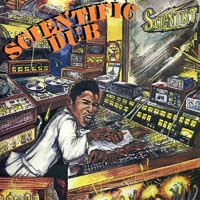 1981Scientific Dub
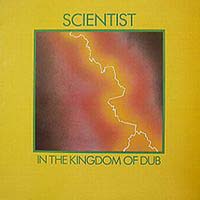 1981In the Kingdom of Dub