ALBUM NOTESThe evolution of Chick Corea-Historia de la música rock - 54 in Historia de la música rock - 54
Album overview
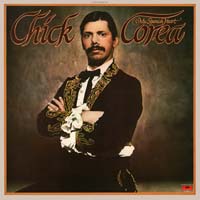
Chick Corea's "Historia de la música rock - 54" is an intriguing exploration of the rock genre, released in 1977 under the Polydor label. The album represents Corea's foray into the fusion of jazz and rock, showcasing his exceptional skills as a pianist and composer. Known for his work in jazz, Corea incorporates various rock elements, creating a unique sound that transcends traditional genre boundaries. The album includes a collection of tracks that reflect the evolution of rock music, featuring both original compositions and interpretations of classic rock songs. Collaborators on the project include prominent musicians who contributed to its rich sonic texture. Notably, Corea's innovative approach to blending genres made this album significant in the context of musical evolution during the late 20th century. The tracks are characterized by intricate melodies, improvisational solos, and a blend of acoustic and electric instrumentation.
The cultural significance of "Historia de la música rock - 54" lies in its ability to bridge the gap between jazz and rock, influencing future musicians who sought to explore the possibilities of genre fusion. The album serves as a testament to Corea's versatility and creativity, marking an important chapter in both his career and the broader landscape of rock music history.
Review
"Historia de la música rock - 54" is a fascinating collection that showcases Chick Corea's remarkable talent and his ability to push the boundaries of musical genres. The album's sound resonates with a mixture of energetic rock rhythms and the intricate harmonies characteristic of jazz. Corea's piano work is nothing short of brilliant, effortlessly transitioning between frenetic improvisation and melodic sophistication. The lyrics, while not a focal point, enhance the overall listening experience, often reflecting themes of change and evolution.
Artistically, Corea’s vision is ambitious, he does not merely replicate the sounds of rock but rather reinterprets them through his unique lens. This creates a vibrant tapestry of sound that is both fresh and nostalgic. The production quality is high, with careful attention to detail that allows each instrument to shine. The album stands out as a significant contribution to both the jazz and rock genres, encouraging listeners to appreciate the interconnectedness of musical styles.
Highlights
- Innovative fusion of jazz and rock elements.
- Exceptional piano performances showcasing Corea’s virtuosity.
- High production quality that enhances the listening experience.
Weak points
- Some tracks may feel disjointed for listeners expecting a more traditional rock format.
- The complexity may alienate those unfamiliar with jazz nuances.
- Limited commercial radio appeal compared to more mainstream rock albums of the time.
Overall evaluation
Chick Corea's "Historia de la música rock - 54" is a bold exploration of genre boundaries, showcasing the artist's mastery and innovative spirit. While it may challenge some listeners with its complexity, it ultimately serves as an important work in the evolution of both jazz and rock music.
Personal rating: 8/10
```


 1976My Spanish Heart
 1972Return to Forever