

Why Lionel Hampton's Hamp's Big Four matters
Hamp's Big Four- Album Overview
"Hamp's Big Four," released in 1959, is a seminal jazz album by the legendary vibraphonist Lionel Hampton. This album was produced under the Verve Records label, which was known for its dedication to high-quality jazz recordings. The album features a remarkable collaboration among notable jazz musicians, including pianist Oscar Peterson, bassist Ray Brown, and drummer Elvin Jones, all of whom are giants in their respective instruments. The recording took place in a period when jazz was evolving, and this album showcased the talents of Hampton and his contemporaries in a tight ensemble setting.
The album consists of eight tracks, including standout pieces like "The Man I Love" and "Hamp's Big Four," which are characterized by intricate melodies and vibrant improvisations. The ensemble's chemistry shines through as they navigate through different tempos and moods, creating a rich tapestry of sound. The album not only reflects Hampton's expertise as an instrumentalist but also his ability to bring together diverse musical personalities to create compelling jazz. Released during a time when jazz was becoming increasingly popular, "Hamp's Big Four" contributed to the genre's evolution and remains a significant work in the jazz canon. Its cultural significance lies in its embodiment of the bebop and hard bop styles that were popular during the late 1950s, marking a pivotal point in Hampton's career as well as the jazz movement as a whole.
Review
The sound of "Hamp's Big Four" is a celebration of the vibraphone as a lead instrument, with Hampton's signature style shining throughout the album. His virtuosic technique combines with a playful spirit, allowing for both technical brilliance and emotional depth. The interplay between the musicians is seamless, creating an engaging listening experience that showcases each member's talents. The rhythm section, anchored by Brown and Jones, provides a solid foundation that allows Hampton and Peterson to explore melodic ideas freely. This synergy makes the album not just a collection of songs, but a cohesive musical narrative. The arrangements are tight yet leave plenty of room for improvisation, capturing the essence of live jazz performance.
While the album does not contain lyrics, the expressiveness of the musicians speaks volumes, allowing listeners to engage with the music on an emotional level. Hampton's artistic vision is clear: to push the boundaries of jazz while honoring its roots. The album stands as a testament to his influence on the genre, showcasing how diverse sounds can come together to create something truly special.
Highlights
- Exceptional musicianship from a legendary lineup.
- Innovative arrangements that balance structure and improvisation.
- Rich historical context reflecting the evolution of jazz in the late 1950s.
Weak points
- Some listeners may find the album's sound less accessible compared to contemporary jazz.
- Limited vocal content might not appeal to those who prefer lyrical jazz.
- Production quality, while good, may not meet modern standards.
Overall evaluation
"Hamp's Big Four" is a vital piece of jazz history, showcasing Lionel Hampton's brilliance and the collaborative spirit of jazz musicians in the late 1950s. Its timeless sound and innovative arrangements ensure its place in the pantheon of jazz classics.
Personal rating: 8.5/10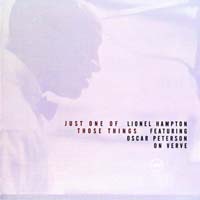 1999Just One of Those Things