

Inside the atmosphere of Lionel Hampton's Flyin' Home
Flyin' Home- Album Overview
"Flyin' Home," released in 1946, stands as a pivotal jazz album that showcases the virtuosity of Lionel Hampton, an iconic figure in the world of jazz. This album was released under the Decca Records label and features a collection of compositions that highlight Hampton's unparalleled skills on the vibraphone. The recording sessions for "Flyin' Home" took place during a burgeoning era for jazz, as the genre began to gain wider popularity among audiences across America.
The album consists of several standout tracks, including the titular piece "Flyin' Home," which has become one of Hampton's signature songs. The composition is a lively, upbeat piece that combines swinging rhythms with infectious melodies, capturing the essence of the post-war jazz scene. Collaborators on this album include notable musicians such as pianist Oscar Peterson, guitarist Barney Kessel, and drummer Buddy Rich, all of whom contribute to the vibrant sound that characterizes the record.
Musically, "Flyin' Home" is significant not only for its innovative arrangements but also for its role in bridging the gap between big band and smaller ensemble jazz formats. The album's production quality reflects the high standards of the time, with clear instrumentation and dynamic interplay between the musicians. It was during this era that Hampton solidified his reputation as a bandleader and a performer capable of captivating audiences with both his technical prowess and showmanship.
Culturally, "Flyin' Home" resonates with the spirit of its time, as jazz was evolving and integrating various influences, including blues and rhythm and blues. The album's release contributed to the ongoing story of African American artistry in music and offered a platform for the expression of joy and resilience during a transformative period in U.S. history.
Review
Upon listening to "Flyin' Home," one is immediately struck by the vibrant energy that radiates from each track. Hampton's dexterous vibraphone work serves as both a melodic and rhythmic anchor, allowing the accompanying musicians to explore and improvise within the framework he establishes. The infectious tempo of the title track is a testament to Hampton's ability to create an atmosphere that feels both celebratory and intimate.
The album does not shy away from showcasing the collective talents of its contributors. Each track flows seamlessly, allowing for moments of individual expression while maintaining a cohesive sound. The arrangements are crafted with care, ensuring that the improvisational spirit of jazz is preserved while also delivering polished performances. The balance between structured compositions and free-spirited solos is particularly noteworthy, demonstrating Hampton's artistic vision and his capacity to lead an ensemble effectively.
While the album largely thrives on its upbeat arrangements, it occasionally dips into more reflective moments, showcasing the emotional depth that jazz can convey. However, some listeners might find themselves longing for more variety in tempo and mood, as the overall vibe remains consistently lively throughout the record.
Highlights
- Exceptional vibraphone performances by Lionel Hampton that define the album's sound.
- Strong collaborative efforts from a talented ensemble of musicians, enhancing the listening experience.
- Iconic tracks like "Flyin' Home" that have secured a lasting legacy in jazz history.
Weak points
- Lack of significant tempo variation across tracks, which may affect dynamic engagement for some listeners.
- Some arrangements may feel predictable to those seeking more avant-garde jazz experiences.
- Limited lyrical content, as the album primarily focuses on instrumental performances.
Overall evaluation
"Flyin' Home" is a quintessential album that captures the essence of Lionel Hampton's artistry and the vibrant jazz scene of the 1940s. While it may have its shortcomings in terms of variety, the high level of musicianship and the infectious energy of the performances make it a significant part of jazz history.
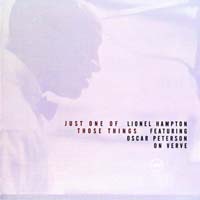 1999Just One of Those Things