
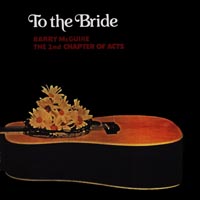
Eve of Destruction: the story Barry McGuire wants to tell
Eve of Destruction- Album Overview
Released in 1965, "Eve of Destruction" is the debut album by American singer-songwriter Barry McGuire, known for its strikingly poignant commentary on the social and political upheaval of the era. The album was released under the Dunhill Records label and features a collection of protest songs that resonate deeply with the tumultuous 1960s. The title track, "Eve of Destruction," written by P.F. Sloan, became a massive hit, reaching No. 1 on the Billboard Hot 100 chart. It encapsulates the anxieties surrounding the Cold War, civil rights, and the Vietnam War, making it a significant anthem of its time.
Produced by Lou Adler, the album showcases a blend of folk rock and pop influences, characterized by McGuire's distinctive gravelly voice and passionate delivery. The recording sessions brought together notable musicians, including members of the Wrecking Crew, who added depth to the arrangements. The album comprises ten tracks, with other highlights such as "Sins of a Family" and "The World Is a Changing." McGuire's raw emotional resonance in his lyrics and vocal performance captures the essence of a generation grappling with fear and uncertainty. The album not only reflects the sociopolitical climate of the 1960s but also paved the way for future protest music, making it culturally significant and timeless.
Review
"Eve of Destruction" stands as a testament to Barry McGuire's artistic vision, merging powerful lyrics with evocative melodies. The album's sound is a quintessential representation of the folk rock genre, featuring stripped-down instrumentation that allows McGuire's urgent vocals to take center stage. The title track serves as a haunting narrative, articulating the fears of impending chaos and destruction, which resonates with listeners even today. McGuire's ability to convey vulnerability and strength in his delivery is commendable, making the listener feel the weight of each line.
The lyrical content is unflinching, tackling topics such as war, societal issues, and environmental concerns, all of which are still relevant. The rawness and urgency in McGuire's voice create a sense of immediacy that compels the audience to engage with the message. However, some tracks may feel dated to contemporary listeners, potentially limiting their impact. Overall, the album strikes a balance between melodic appeal and thought-provoking content, solidifying McGuire’s place in the pantheon of protest music.
Highlights
- Powerful and poignant lyrics that resonate with timeless issues.
- Strong vocal performance that conveys deep emotion and urgency.
- Significant cultural impact as an anthem of the 1960s protest movement.
Weak points
- Some tracks may feel dated to modern audiences.
- Limited musical variety throughout the album.
- Occasional over-reliance on melodrama in lyrical delivery.
Overall evaluation
"Eve of Destruction" remains a powerful commentary on the fears and frustrations of the 1960s, encapsulated in Barry McGuire's impassioned performance. While some elements may not resonate with all listeners today, the album's historical significance and lyrical depth cannot be overstated.
Personal rating: 8/10 1979Inside Out