
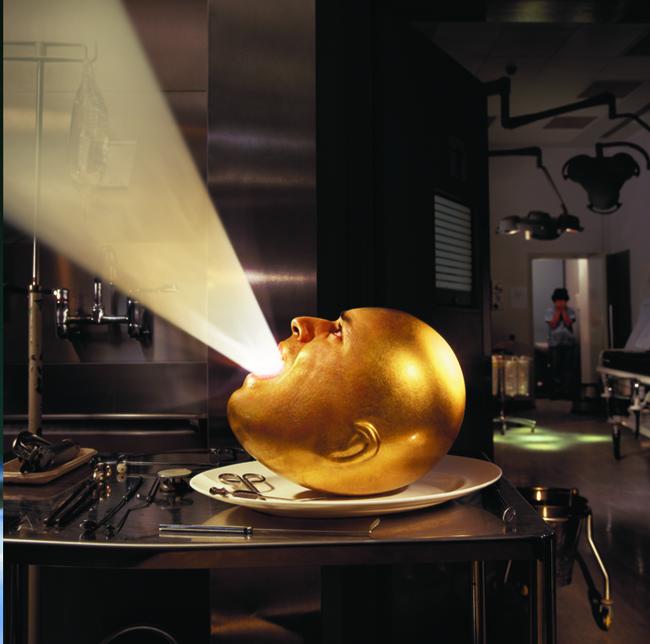
De-loused In The Comatorium by The Mars Volta: expectations vs reality
De-loused In The Comatorium- Album Overview
"De-loused In The Comatorium," released on September 24, 2003, marks the debut studio album of the American progressive rock band The Mars Volta. The album was produced by Rick Rubin and released under the Universal Records label. The work stands as a concept album, heavily inspired by the life and death of the band’s friend, Julio Venegas, who fell into a coma. This dark narrative threads through the intricate and often surreal musical landscapes crafted by the band. The album features a blend of various genres, including progressive rock, post-hardcore, and jazz fusion, showcasing the band's eclectic and avant-garde approach to music. Recording took place at the iconic Sunset Sound studios in Los Angeles, California, where the band collaborated with notable musicians such as John Frusciante of the Red Hot Chili Peppers. The album includes tracks like "Inertiatic ESP," "Roulette Dares (The Haunt Of)," and "Take the Veil Cerpin Taxt," each characterized by complex time signatures and sprawling compositions. The singles "Inertiatic ESP" and "The Widow" helped to establish The Mars Volta's presence in the early 2000s rock scene, paving the way for a new wave of progressive music. Musically and culturally, "De-loused In The Comatorium" signifies a departure from the more straightforward sound of the band's previous incarnation, At the Drive-In, pushing boundaries and challenging listeners' perceptions of rock music. Its critical and commercial success solidified the band's reputation as pioneers in the genre, influencing countless artists in the years to follow.
Review
The sound of "De-loused In The Comatorium" is a rich tapestry of chaotic instrumentation and emotive vocals, with Cedric Bixler-Zavala’s soaring voice delivering poignant and often cryptic lyrics. The album oscillates between frenetic bursts of energy and hauntingly beautiful melodies, effectively mirroring the themes of life, death, and existentialism that permeate its narrative. The fusion of heavy guitar riffs, intricate drumming, and atmospheric keyboards creates an immersive experience that is both challenging and rewarding for the listener. Lyrically, the album delves into themes of consciousness, loss, and transcendent experiences, often leaving interpretations open to the listener. The band's artistic vision is ambitious, pushing the limits of what rock music can convey. However, this complexity may alienate some casual listeners, who might find the album's structure and lyrical content abstract. Overall, "De-loused In The Comatorium" is a bold statement that exemplifies The Mars Volta's unique identity and their commitment to innovation within the music industry.
Highlights
- The ambitious, complex musical arrangements that defy traditional rock conventions.
- Cedric Bixler-Zavala’s captivating vocal performances that blend emotion and intensity.
- The album's rich narrative depth, providing a thought-provoking listening experience.
Weak points
- The abstract nature of the lyrics may confuse some listeners, limiting broader appeal.
- Some tracks can be overly lengthy, testing the patience of those unfamiliar with progressive rock.
- The intricate soundscapes may feel overwhelming at first, requiring multiple listens to fully appreciate.
Overall evaluation
"De-loused In The Comatorium" is a groundbreaking work that challenges the conventions of rock music while exploring profound themes of existence and consciousness. Its complexity might deter some, but for those willing to engage, it offers a rewarding and immersive experience.
Personal rating: 9/10 2012Noctourniquet
 2009Octahedron
 2008The Bedlam in Goliath
 2006Amputechture
 2005Frances the Mute