
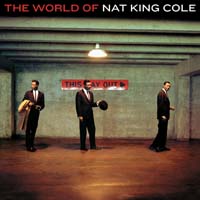
The evolution of Nat King Cole in Dear Lonely Hearts / I Don't Want To Be Hurt
Dear Lonely Hearts / I Don't Want To Be Hurt - Album Overview
"Dear Lonely Hearts / I Don't Want To Be Hurt" is a compelling album by the legendary Nat King Cole, released in 1963. This collection is a testament to Cole's evolution as an artist, showcasing his transition from a celebrated jazz pianist to an iconic vocalist. Released under the Capitol Records label, the album features a blend of traditional pop and jazz-infused ballads that highlight Cole's velvety smooth voice and impeccable phrasing.
The recording sessions brought together a talented group of musicians and arrangers, including the notable Nelson Riddle, who was known for his lush orchestral arrangements that complemented Cole's vocal style beautifully. The album's lead track, "Dear Lonely Hearts," became a significant hit, resonating with audiences experiencing heartache and longing. The second title track, "I Don't Want To Be Hurt," further emphasizes themes of vulnerability and emotional depth, showcasing Cole's ability to convey profound feelings through his music.
Throughout the album, listeners can appreciate Cole's seamless blend of genres, which reflects the cultural shifts of the early 1960s. As society began to embrace more diverse musical influences, Cole remained at the forefront, appealing to a broad audience while maintaining his distinctive sound. The album not only solidifies his status as a musical icon but also captures a pivotal moment in his career, marking a shift towards more introspective and relatable themes. With its poignant lyrics and Cole's masterful delivery, "Dear Lonely Hearts / I Don't Want To Be Hurt" remains a significant entry in his discography.
Review
The sound of "Dear Lonely Hearts / I Don't Want To Be Hurt" is quintessential Nat King Cole, characterized by his smooth, warm vocals that effortlessly glide over lush orchestral arrangements. The production captures the essence of the early 1960s, blending jazz, pop, and a hint of soul, allowing Cole’s rich baritone to shine. Lyrically, the album explores themes of love, heartache, and emotional vulnerability, all delivered with Cole's signature sensitivity and charm. His phrasing is impeccable, making even the simplest lines resonate with profound meaning.
Artistically, this album represents a pivotal moment in Cole's career, as he deftly navigates the changing musical landscape while remaining true to his roots. The emotional depth in tracks like "I Don't Want To Be Hurt" demonstrates Cole's ability to connect with listeners on a personal level, evoking empathy and nostalgia. This combination of strong lyrical content and masterful vocal execution showcases his artistic vision, solidifying his legacy as one of the greatest vocalists of his time.
Highlights
- Exquisite vocal performances that showcase Cole's signature style.
- Rich orchestral arrangements that enhance the emotional depth of the songs.
- Relatable themes of love and heartache that resonate with a wide audience.
Weak points
- Some tracks may feel dated to contemporary listeners.
- The album could benefit from more variety in tempo and mood.
- Limited promotional impact compared to Cole's earlier works.
Overall evaluation
"Dear Lonely Hearts / I Don't Want To Be Hurt" is a poignant reflection of Nat King Cole's artistic journey, capturing both his emotional depth and musical sophistication. While it may have some limitations in variety, the album is a testament to his enduring legacy as a masterful interpreter of song.
Personal rating: 8/10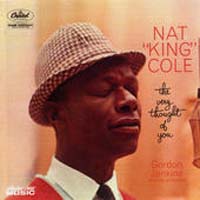 1958The Very Thought of You
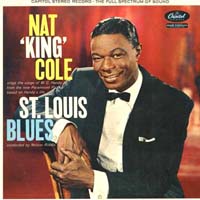 1958St. Louis Blues
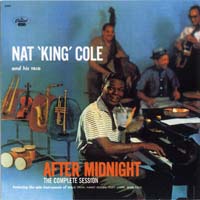 1957After Midnight