
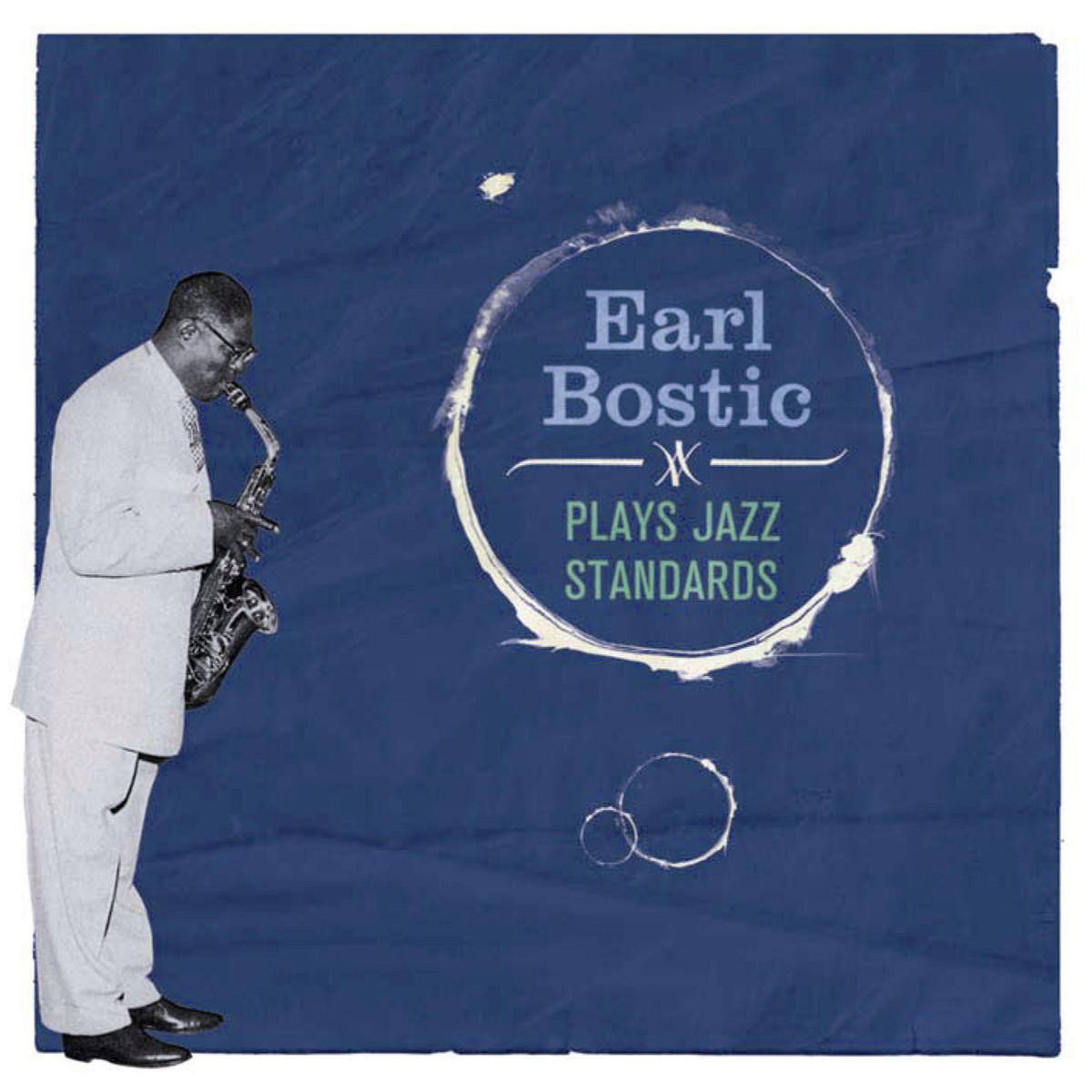
Check the vibes: Earl Bostic – Dance Time
Dance Time- Album Overview
"Dance Time" is a notable album by American saxophonist Earl Bostic, released in 1958 on the King Records label. This album showcases Bostic's innovative approach to rhythm and melody, characteristic of his distinct style that blends jazz with elements of R&B and pop. Earl Bostic was a pivotal figure in the development of the saxophone in popular music, and "Dance Time" serves as a testament to his skills and influence during the late 1950s.
Recorded in an era where the crossover between jazz and popular music was becoming more pronounced, "Dance Time" features a lively set of tracks that reflect the upbeat and danceable vibes of the time. The album includes several original compositions as well as interpretations of popular tunes, all infused with Bostic's energetic and soulful playing. Collaborators on this album include a talented ensemble of musicians who complemented his saxophone work, adding layers of rhythm and harmony to the recordings.
Among the standout tracks are "Flamingo" and "My Prayer," both of which highlight Bostic's ability to blend smooth melodic lines with rhythmic complexity. The album was well-received upon its release, contributing to Bostic's reputation as one of the leading instrumentalists of his time. "Dance Time" remains significant not only as a showcase of Bostic's artistry but also as a cultural artifact that encapsulates the vibrant musical landscape of the late 1950s, a time when dance music was evolving and gaining prominence across America.
Review
The sound of "Dance Time" is a delightful fusion of jazz and dance music, showcasing Earl Bostic's prowess on the alto saxophone. His playing is both fluid and dynamic, effortlessly navigating between smooth ballads and lively up-tempo tracks. The arrangements are bright and infectious, making it nearly impossible not to tap your feet along with the rhythm. Bostic's artistic vision is clear throughout the album; he aims to create music that not only showcases his talents but also invites listeners to join in the joy of dance. While the album does not delve deeply into lyrical content—being primarily instrumental—it excels in conveying emotion and energy through its melodies and rhythms.
"Dance Time" also serves as an excellent representation of the era’s musical style, with its catchy hooks and vibrant instrumentation appealing to a broad audience. The production quality is commendable, capturing the essence of live performances while ensuring that each instrument shines. Overall, the album reflects Bostic's mastery of his craft and his ability to create an engaging listening experience.
Highlights
- Vibrant and infectious rhythms that invite dancing.
- Exceptional saxophone work showcasing Bostic's technical prowess.
- A seamless blend of jazz and popular music elements, appealing to diverse audiences.
Weak points
- Lack of lyrical depth, focusing primarily on instrumentals.
- Some tracks may feel repetitive for listeners seeking varied compositions.
- Limited exploration of more experimental sounds typical in later jazz developments.
Overall evaluation
"Dance Time" is an enjoyable and upbeat album that captures the essence of Earl Bostic's musical genius during a pivotal moment in American music history. While it may not push boundaries in terms of lyrical exploration, its infectious energy and expert musicianship make it a standout work from the late 1950s.
Personal rating: 8/10