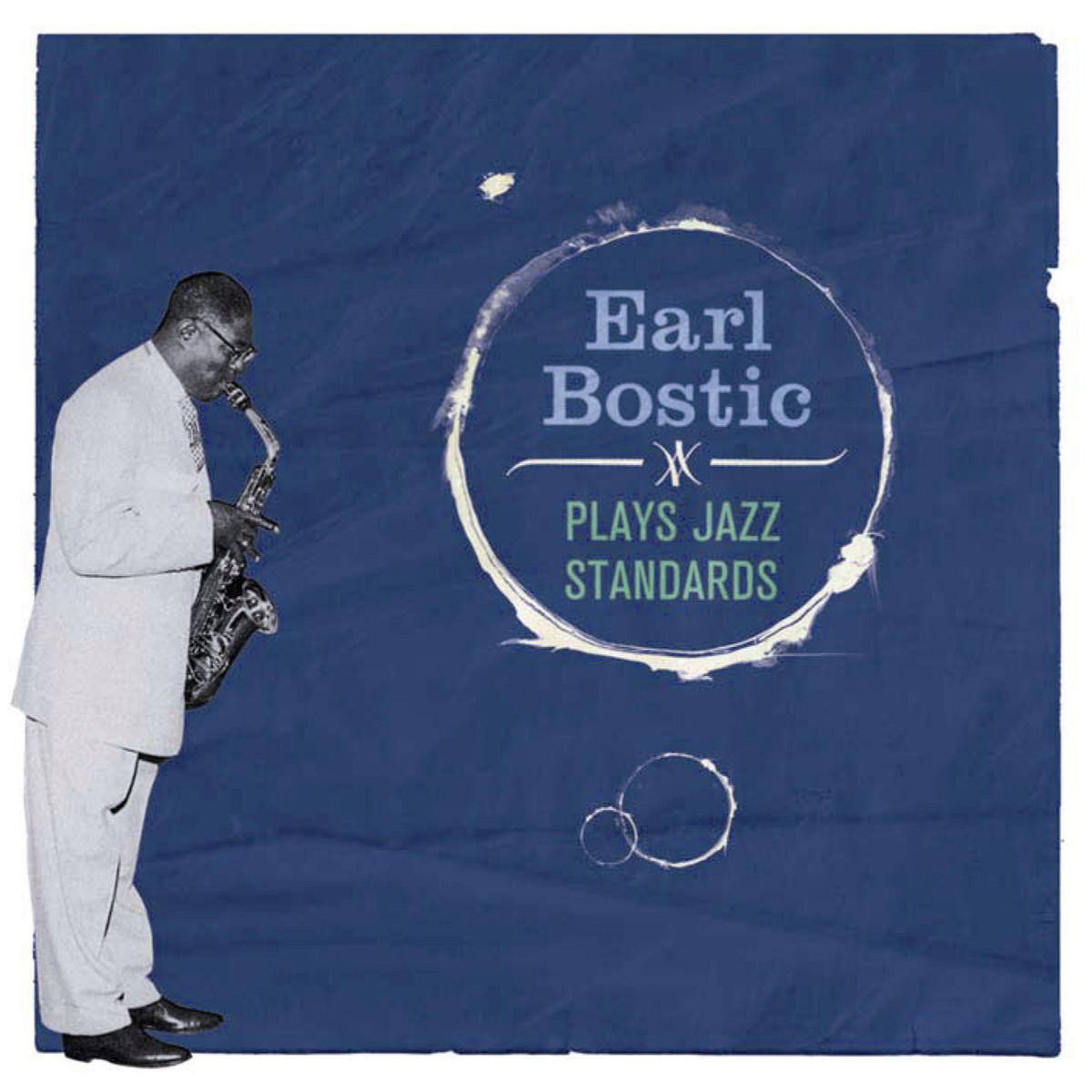
ALBUM NOTESListening to Bostic Rocks - Hits Of The Swing Age by Earl Bostic
Bostic Rocks - Hits Of The Swing Age- Album Overview
Earl Bostic's "Bostic Rocks - Hits Of The Swing Age," released in 1957, is a vibrant collection that captures the essence of the swing era through the lens of one of its most dynamic performers. Known for his extraordinary skill on the alto saxophone, Bostic was not just a musician; he was a pivotal figure in the transition from swing to rhythm and blues. The album was released under the King Records label, which was instrumental in promoting many rhythm and blues artists during this period.
The recording sessions for this album were characterized by an electric atmosphere, featuring a talented backing band that included prominent musicians of the time. Bostic's distinctive sound, characterized by a blend of improvisation and melodic flair, is evident throughout the album. It includes notable tracks such as “Flamingo” and “Ain't Misbehavin'," which showcase his ability to infuse classic swing with a modern twist.
The cultural significance of this album cannot be overstated; it played a key role in popularizing jazz and swing music during the late 1950s, a time when these genres were beginning to influence the burgeoning rock and roll scene. The singles from this album received considerable airplay, helping to cement Bostic’s legacy as a master of his craft. His innovative approach to music paved the way for future generations of musicians, making this album not just a collection of songs, but a vital piece of musical history.
Review
"Bostic Rocks - Hits Of The Swing Age" is a testament to Earl Bostic's remarkable artistry and vision. The album combines the smooth, infectious grooves of swing with a fresh, energetic vibe that makes it appealing even decades later. Bostic's saxophone playing is at the forefront, with a rich tone that is both expressive and technically proficient. The arrangements are lively and well-crafted, featuring intricate solos that showcase the individual talents of each musician involved.
Lyrically, the songs tend to revolve around themes of love and longing, reflective of the era's romantic sentiments. However, it is Bostic's instrumental prowess that truly stands out; his ability to convey emotion without words is a hallmark of his style. The production quality of the album is excellent for its time, allowing the listener to appreciate the nuances of Bostic's playing and the overall ensemble performance.
The artistic vision presented in this album represents a bridge between the classic swing era and the emerging sounds of rhythm and blues, establishing Bostic as a key figure in the evolution of jazz music.
Highlights
- Exceptional saxophone performance showcasing Bostic's technical prowess.
- Lively arrangements that blend traditional swing with contemporary influences.
- Culturally significant tracks that capture the spirit of an era.
Weak points
- Some tracks may feel dated to modern listeners unfamiliar with swing music.
- Lyrical content can be simplistic compared to contemporary songwriting.
- Limited diversity in musical styles across the album.
Overall evaluation
Overall, "Bostic Rocks - Hits Of The Swing Age" is a vibrant celebration of the swing era, highlighted by Earl Bostic's unparalleled saxophone skills and engaging arrangements. While it may not resonate with every modern listener, its historical and musical significance is undeniable.
Personal rating: 8/10