ALBUM NOTESWhy Chick Corea's Corea: Spain & Piano Concerto No. 1 matters
Corea: Spain & Piano Concerto No. 1- Album Overview
Chick Corea's "Corea: Spain & Piano Concerto No. 1" is a landmark album in the realm of jazz and classical fusion, released in 1984 under the ECM Records label. This album exemplifies Corea's innovative approach to blending jazz improvisation with classical composition, showcasing his remarkable virtuosity as both a pianist and composer. The album features two significant pieces: the title track "Spain," originally composed in 1971, and the "Piano Concerto No. 1," which underscores Corea's classical influences and his skill in orchestrating for larger ensembles.
The recording took place in New York City, where Corea collaborated with renowned musicians, including the acclaimed Spanish guitarist Paco de Lucía, whose distinct flamenco style complements Corea’s jazz sensibilities. The album's orchestration features lush arrangements that elevate the improvisational elements of jazz while maintaining the structured beauty of classical music. "Spain" is particularly notable for its rhythmic complexity and rich harmonic language, which have made it a staple in Corea's repertoire and a beloved piece among jazz aficionados.
The cultural significance of this album lies in its successful fusion of genres, reflecting Corea's deep respect for both jazz and classical traditions. This cross-pollination not only broadened the audience for jazz but also contributed to the dialogue between different musical styles during a time when genre boundaries were becoming increasingly blurred. The album remains a testament to Corea's genius and his ability to transcend musical limitations.
Review
"Corea: Spain & Piano Concerto No. 1" is a masterclass in musical synthesis, where Corea’s intricate piano work dialogues seamlessly with orchestral textures. The album opens with "Spain," a vibrant track that showcases Corea's ability to fuse jazz motifs with Spanish flamenco influences, featuring lively rhythms and dynamic interplay between instruments. The composition is both technically demanding and emotionally resonant, reflecting Corea's mastery of both jazz and classical idioms.
The "Piano Concerto No. 1" is a profound exploration of themes and variations, allowing Corea to exhibit his classical training while maintaining a jazz-inflected improvisational spirit. The orchestral accompaniment adds depth and richness to the piano solo, creating a beautifully layered sonic experience. Throughout the album, Corea’s artistic vision shines, emphasizing the importance of collaboration and experimentation in music.
The album’s overall sound is polished and refined, characteristic of ECM's production style, yet it maintains an organic feel, allowing the spontaneity of jazz to emerge. Corea’s compositions invite listeners to engage deeply, making the album not just a collection of tracks but a cohesive journey through diverse musical landscapes.
Highlights
- The seamless blending of jazz and classical elements.
- Corea's virtuosic piano performance and improvisation.
- The collaborative spirit, particularly with Paco de Lucía's flamenco influence.
Weak points
- Some may find the orchestral arrangements overshadow the improvisational aspects.
- The length of the concerto may challenge listeners seeking brevity.
- It may appeal more to dedicated fans of jazz and classical fusion, potentially alienating casual listeners.
Overall evaluation
"Corea: Spain & Piano Concerto No. 1" is a significant contribution to both jazz and classical music, showcasing Chick Corea's brilliance and innovative spirit. The album stands as a testament to the power of cross-genre exploration, making it a must-listen for enthusiasts of both genres.
Personal rating: 9/10

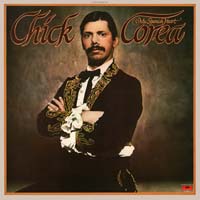 1976My Spanish Heart
 1972Return to Forever