
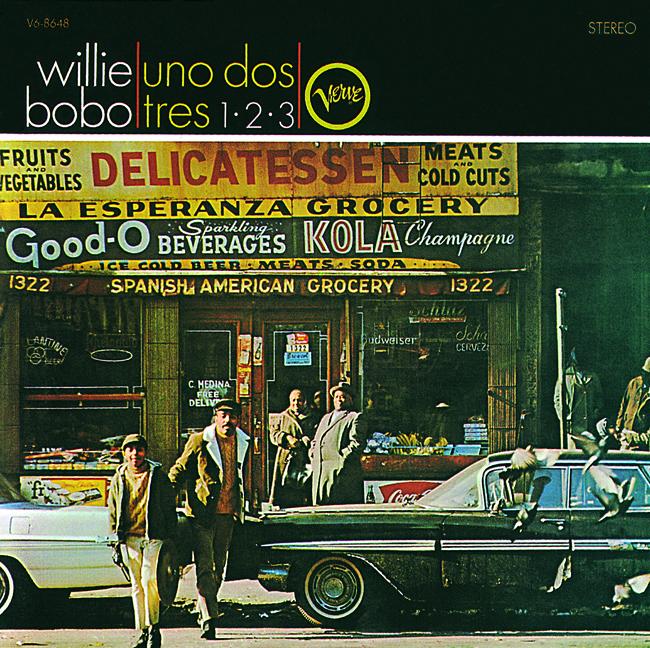
Willie Bobo raises the bar with Bobo's Beat
Bobo's Beat- Album Overview
Released in 1967, "Bobo's Beat" is a seminal album by percussionist and bandleader Willie Bobo, known for his innovative fusion of Latin music and jazz. This album was released under the prestigious Verve Records label, a hub for groundbreaking jazz artists during the 1960s. Willie Bobo, born in New York City to Puerto Rican parents, became a prominent figure in the Latin jazz scene, and "Bobo's Beat" solidifies his status as a pioneering artist. The album features a tight ensemble of talented musicians, including jazz luminaries such as trumpeter Mike Longo and saxophonist John G. Gifford, who contribute to the rich, vibrant sound that characterizes Bobo's work. The recording sessions took place in a period when the blending of different musical genres was gaining momentum, and Bobo's ability to seamlessly integrate Afro-Cuban rhythms with jazz improvisation was ahead of its time. The album includes standout tracks like "Spanish Grease" and "Fried Neckbones and Some Home Fries," which showcase Bobo's unique percussive style and his knack for crafting infectious grooves. Notably, "Bobo's Beat" remains influential in both the jazz and Latin music communities, inspiring countless musicians and contributing to the evolution of Latin jazz as a genre. The album's artistic vision reflects Bobo's deep understanding of rhythm and melody, making it a timeless classic in the world of jazz.
Review
"Bobo's Beat" is a vibrant tapestry of sounds that expertly marries the rhythmic intricacies of Latin music with the improvisational freedom of jazz. Willie Bobo's masterful percussion work drives the album, creating an infectious energy that is both danceable and musically rich. The production is crisp, allowing each instrument to shine while maintaining a cohesive sound. The album’s tracks are characterized by lively rhythms, catchy melodies, and a sense of spontaneity that captures the essence of live performances. While the lyrics are not the focal point—given the emphasis on instrumentals—the musical arrangements speak volumes about Bobo's artistic vision. The album invites listeners to experience a cultural exchange, blending Bobo's Puerto Rican heritage with the jazz elements that were prevalent in New York City during the 1960s. This cultural significance is palpable throughout the album, making it not only a collection of songs but a representation of a vibrant era in music history.
Highlights
- Innovative fusion of Latin rhythms and jazz improvisation.
- Exceptional percussion work by Willie Bobo that drives the album's infectious energy.
- Timeless tracks that remain influential in the Latin jazz genre.
Weak points
- Some tracks may feel repetitive due to the emphasis on grooves over lyrical content.
- The production style may seem dated to contemporary listeners.
- Limited vocal presence might detract from the appeal for those seeking lyrical narratives.
Overall evaluation
"Bobo's Beat" stands as a landmark record in the Latin jazz genre, showcasing Willie Bobo's innovative spirit and musical prowess. Despite a few minor drawbacks, the album remains a vibrant and essential listen for jazz and Latin music enthusiasts alike.
Personal rating: 8/10 1978Hell of an Act to Follow