
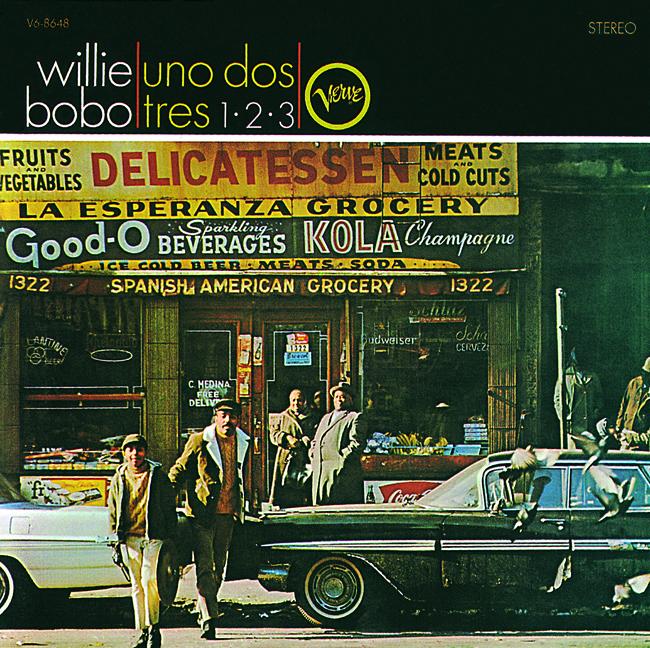
Is Uno Dos Tres 1•2•3 Willie Bobo's best work yet?
Uno Dos Tres 1•2•3- Album Overview
Released in 1972, "Uno Dos Tres 1•2•3" stands as a significant entry in the discography of Willie Bobo, an influential figure in the Latin jazz and boogaloo scenes. This album was produced under the iconic label, Verve Records, which was known for its commitment to jazz and innovative sounds. Willie Bobo, a talented percussionist and bandleader, is celebrated for blending Latin rhythms with jazz improvisation, and "Uno Dos Tres 1•2•3" exemplifies this fusion. The album features a rich array of collaborations, including contributions from notable musicians such as guitarist Larry Coryell and trumpeter Lee Morgan. The record showcases a diverse set of tracks, each characterized by Bobo's intricate percussive style and vibrant melodies. Notable tracks like "Fried Neckbones and Some Home Fries" and "Ain't It Funky Now" offer a compelling mix of funk, jazz, and Latin influences that resonate deeply with fans of both genres. The singles released from this album further solidified Bobo's reputation as a pioneering artist in the Latin jazz landscape. "Uno Dos Tres 1•2•3" not only reflects Bobo's artistic vision but also captures the cultural zeitgeist of the early 1970s, a period marked by the exploration of new sounds and the blending of musical traditions. Its recording process was an innovative endeavor that combined traditional instrumentation with modern production techniques, making the album a landmark in Bobo's career.
Review
"Uno Dos Tres 1•2•3" is a vibrant exploration of sound, seamlessly weaving together the rhythmic complexities of Latin music with the improvisational spirit of jazz. Bobo's artistry shines through in every track, where his percussive prowess takes center stage, driving the energy and mood of the album. The instrumentation is lush, featuring a plethora of brass and woodwind arrangements that complement Bobo’s signature congas and drums. The lyrics, while often minimalistic, echo themes of celebration and unity, inviting listeners to engage with the music on a personal level. Critically, the album showcases Bobo's ability to push the boundaries of genre, creating a sound that is both accessible and sophisticated. The production quality is top-notch, as expected from a Verve release, allowing the nuances of each instrument to be fully appreciated. Overall, Willie Bobo's artistic vision on this album feels ahead of its time, blending various musical influences to create a cohesive listening experience that remains relevant today.
Highlights
- Masterful blend of Latin rhythms and jazz elements.
- Exceptional musicianship from Bobo and collaborators.
- High production quality that highlights intricate instrumentation.
Weak points
- Some tracks may feel repetitive in structure.
- Lyrical content is sparse, which may not appeal to all listeners.
- Limited mainstream recognition compared to other jazz albums of the era.
Overall evaluation
In conclusion, "Uno Dos Tres 1•2•3" is a testament to Willie Bobo's innovative spirit and musical prowess, marking it as one of his standout works. The album's intricate soundscapes and cultural significance solidify its place in the Latin jazz canon.
Personal rating: 8/10 1978Hell of an Act to Follow