
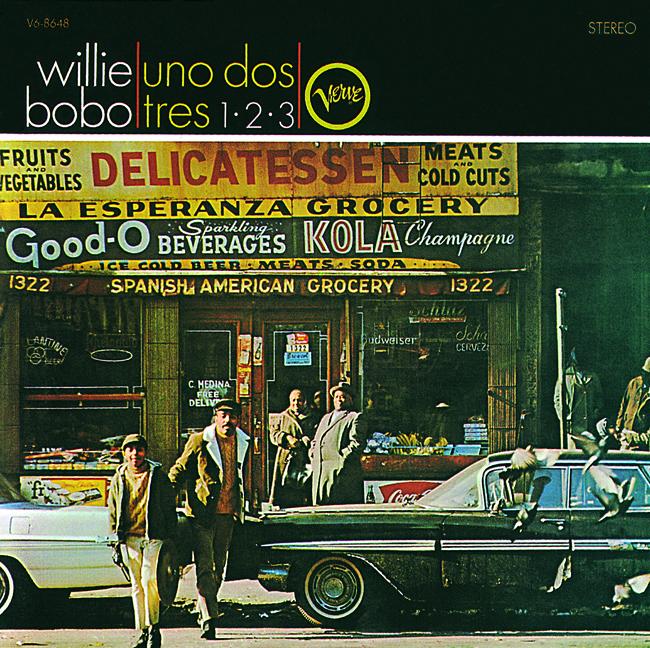
Diving deep into Tomorrow Is Here by Willie Bobo
Tomorrow Is Here- Album Overview
"Tomorrow Is Here," released in 1969, marks a significant moment in the career of percussionist Willie Bobo, who is well-known for his contributions to Latin jazz and his ability to blend various musical styles. Released under the Verve Records label, this album showcases Bobo's innovative approach to music, infusing elements of jazz, Latin rhythms, and funk. The recordings took place during a vibrant period in the music industry, as artists began to explore new sounds and cultural influences, particularly in the aftermath of the Civil Rights Movement and the burgeoning counterculture of the late 1960s.
The album features an array of talented collaborators, including jazz luminaries such as saxophonist Wayne Shorter and guitarist Larry Coryell, who contribute to the distinctive sound that Bobo crafts throughout the record. "Tomorrow Is Here" includes standout tracks like "Samba de Orpheus" and "Funky Rhapsody," which highlight Bobo's ability to fuse intricate percussion patterns with engaging melodies. The album's lead single, "A New Thing," exemplifies his innovative style, blending jazz improvisation with a Latin flair that engages listeners on multiple levels.
This album is not only musically significant but also culturally relevant, as it reflects the spirit of experimentation that was prevalent during the era. Bobo's work on "Tomorrow Is Here" helped pave the way for future generations of musicians who would continue to explore the boundaries of jazz and world music. The production quality is notable, capturing the vibrant energy of live performance while maintaining a polished studio sound. As such, "Tomorrow Is Here" remains an essential listening experience for those interested in the evolution of jazz and its intersection with other genres.
Review
The sound of "Tomorrow Is Here" is a rich tapestry of rhythm and melody, showcasing Willie Bobo's prowess as both a drummer and a bandleader. The album opens with an infectious energy, drawing the listener in with its engaging grooves and melodic hooks. Bobo's unique ability to incorporate Latin rhythms into jazz creates a sound that is both refreshing and groundbreaking. The instrumentation is beautifully layered, with each musician contributing to the overall atmosphere without overshadowing one another.
Lyrically, the album tends to focus more on instrumental expression than on traditional songwriting, allowing the music to speak for itself. The artistic vision behind "Tomorrow Is Here" is clear; Bobo aims to transcend musical boundaries and create a universal sound that resonates with a diverse audience. Overall, the album serves as a testament to Bobo's artistic vision, showcasing his ability to innovate while remaining rooted in his musical heritage.
Highlights
- Innovative fusion of jazz and Latin rhythms.
- Strong collaboration with talented musicians, enhancing the album's depth.
- Engaging and infectious grooves that invite listeners to dance.
Weak points
- Lack of lyrical content may not appeal to all listeners.
- Some tracks can feel repetitive in structure.
- Production quality may vary on certain tracks.
Overall evaluation
"Tomorrow Is Here" stands as a remarkable achievement in Willie Bobo's career, showcasing his ability to blend genres and create a lasting impact on music. While it may have its shortcomings, the album's vibrant energy and innovative spirit make it a significant contribution to the jazz genre.
Personal rating: 8/10 1978Hell of an Act to Follow