
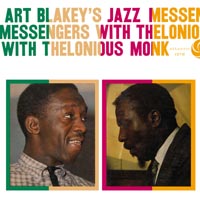
How Art Blakey shaped the sound of Art Blakey & His Jazz Messengers
Art Blakey & His Jazz Messengers- Album Overview
"Art Blakey & His Jazz Messengers," released in 1956 under the Blue Note label, is a seminal album that encapsulates the essence of hard bop jazz, a genre that Art Blakey helped to pioneer. The album features a lineup that includes notable musicians such as trumpeter Lee Morgan, saxophonist Wayne Shorter, pianist Bobby Timmons, and bassist Jymie Merritt. It was recorded in the vibrant setting of the Van Gelder Studio in Englewood Cliffs, New Jersey, a hub for many iconic jazz recordings of the era.
The album showcases a collection of original compositions and jazz standards, with tracks like "A Night in Tunisia" and "Weaver of Dreams" standing out for their intricate arrangements and vigorous improvisation. Blakey's drumming is a focal point throughout, characterized by its energetic drive and ability to propel his band forward. This album was not just a showcase of talent but a cultural touchstone, representing a shift towards a more assertive and expressive form of jazz that resonated with the civil rights movements of the 1950s.
Blakey's emphasis on collaboration and mentorship is evident as he nurtured young talents, making the Jazz Messengers a proving ground for future stars. The album's release marked a significant moment in jazz history, solidifying Blakey's role as a leader and innovator. The variety of sounds and textures presented in this album played a crucial role in defining the sound of modern jazz and influencing countless musicians who followed.
Review
The sound of "Art Blakey & His Jazz Messengers" is a robust representation of hard bop, marked by dynamic interplay between the musicians. Blakey's drumming is explosive yet precise, providing a rhythmic foundation that allows his bandmates to explore their solos with freedom and creativity. The album balances technical prowess with passionate expression, reflecting Blakey's vision of jazz as a communal and dynamic art form. The arrangements are tight, yet they leave ample room for improvisation, a hallmark of the Jazz Messengers' style.
While the album primarily focuses on instrumental prowess, the emotional weight behind the music transcends mere technicality. Each track is imbued with a sense of urgency and intensity, indicative of the socio-political climate of the time. This juxtaposition of rhythm and melody creates a compelling listening experience that resonates with both jazz aficionados and casual listeners alike. The chemistry among the musicians is palpable, making this album not only a collection of songs but a vibrant dialogue in jazz.
Highlights
- Exceptional musicianship from all band members, particularly Blakey's explosive drumming.
- Innovative arrangements that blend traditional jazz elements with modern influences.
- Culturally significant, reflecting the spirit of the 1950s jazz scene and the civil rights movement.
Weak points
- Some tracks may feel overly complex for casual listeners.
- The production quality, while excellent for its time, may not meet the standards of contemporary recordings.
- A lack of vocal tracks may limit appeal to those who prefer lyrical content in music.
Overall evaluation
"Art Blakey & His Jazz Messengers" remains a cornerstone of jazz history, showcasing the power of collaboration and innovation within the genre. The album's vibrant energy and artistic integrity continue to inspire musicians and listeners alike.
Personal rating: 9/10 1997The Jazz Messengers