

Why The Afghan Whigs's 1965 matters
1965- Album Overview
Released in 1998, "1965" is the fourth studio album by the American alternative rock band The Afghan Whigs. It was produced by the band along with the acclaimed producer, Greg Dulli, who is also the band's frontman. The album was released under the label, Columbia Records, marking a significant moment for the band as they transitioned into a more polished sound while still maintaining their gritty, soulful essence. "1965" was recorded in several locations, including Dulli's home studio in Cincinnati and at the legendary Sunset Sound Studios in Los Angeles. The album showcases a blend of alternative rock, soul, and R&B influences, with a lyrical focus on themes of love, loss, and longing. The album features standout tracks such as "Debonair," "What Jail Is Like," and the haunting "John the Baptist." The first single, "Debonair," received significant radio play and helped to elevate the band's profile in the mainstream music scene. The Afghan Whigs were known for their unique sound that combined rock with a hint of gospel and funk, which was further enhanced with the inclusion of backing vocals from the band members of the then-unknown group, The Twilight Singers. "1965" is often regarded as a pivotal moment in the band's career, showcasing their evolution and ability to adapt while still remaining true to their roots. It remains a significant work in the 1990s alternative rock landscape and continues to influence musicians today.
Review
"1965" serves as a testament to The Afghan Whigs' ability to weave complex emotions into their music. The album opens with "When We Two Parted," a track that instantly captivates with its haunting melody and introspective lyrics. Dulli's vocal delivery is raw and passionate, encapsulating the essence of heartbreak. The production is polished yet retains an edginess that is characteristic of the band's earlier work. Songs like "Debonair" exude confidence, blending swagger with vulnerability, while "What Jail Is Like" dives deeper into themes of despair and isolation. The album's instrumentation is rich, incorporating layers of guitars, horns, and strings that create a lush soundscape. Lyrically, Dulli explores personal and societal struggles, making the album relatable and poignant. Overall, "1965" encapsulates a moment in time, reflecting both personal and cultural narratives that resonate deeply.
Highlights
- Strong lyrical themes exploring love and loss.
- Rich instrumentation that enhances the emotional depth of the songs.
- Significant single "Debonair" showcases the band's unique sound and energy.
Weak points
- Some tracks may feel less impactful compared to the album's standout singles.
- The polished production might alienate fans of the band's earlier raw sound.
- Occasional lyrical ambiguity may leave some listeners wanting more clarity.
Overall evaluation
"1965" is a defining album for The Afghan Whigs, marking a successful blend of alternative rock and soulful influences. It captures the essence of the late '90s music scene while showcasing the band's evolution. The album remains a significant entry in their discography and a must-listen for fans of the genre.
Personal rating: 8/10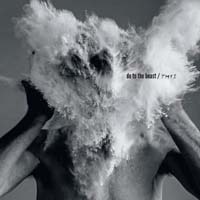 2014Do to the Beast
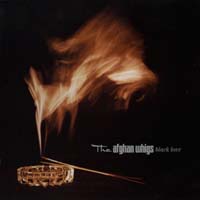 1996Black Love
 1993Gentlemen
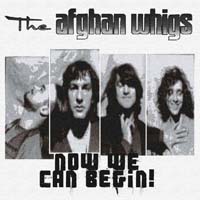 0Now We Can Begin