Biography
Taj Mahal: history and sound
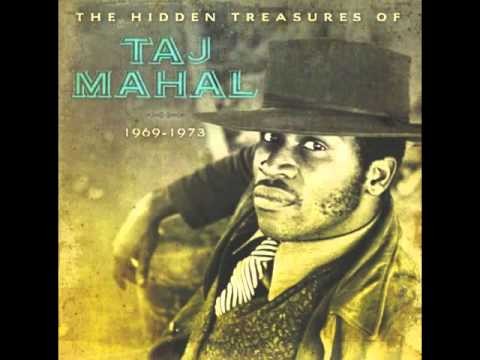
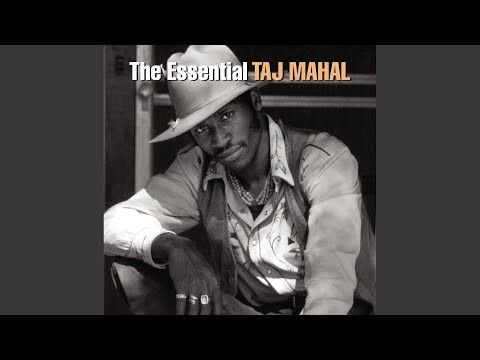
Henry Saint Clair Fredericks (born May 17, 1942), who uses the stage name Taj Mahal, is an American Grammy Award-winning blues musician.
Exploring the Musical Journey of Taj Mahal - From Blues to World Music
If you're a fan of music, it's impossible not to be mesmerized by the sound of the legendary Taj Mahal. With a career spanning over six decades, Taj Mahal has been a force to reckon with in the world of music. He has effortlessly blended different music genres, creating a unique sound that's both refreshing and captivating. In this blog, we'll take a deep dive into his musical journey, explore some of his best songs, and understand how he has made a mark in the music industry.
Taj Mahal's music career began in the 1960s, a time when blues music was gaining popularity in the west. He was drawn to the sound of the blues, and it became a significant influence on his music. Some of his earliest hits were blues songs, like Leaving Trunk and Corinna. Taj Mahal's unique blend of blues, folk music, and traditional African American music caught the attention of music enthusiasts worldwide. He became a household name and a trailblazer in the genre.
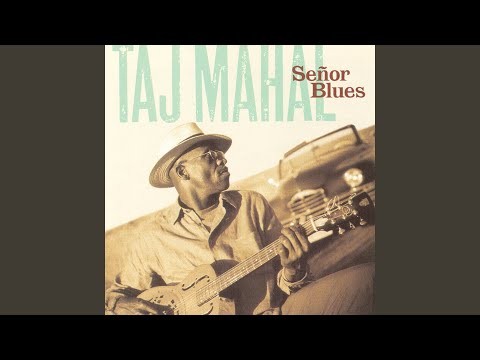
As Taj Mahal's career progressed, he began experimenting with other music genres, including jazz, reggae, and world music. Some of his best songs are a testament to his diversity. His 1997 album, 'Senor Blues,' features jazz-inspired tunes like Don't You Mind People Grinning in Your Face, and TV Mama. His 2003 album, 'Hanapepe Dream,' is a fusion of world music and jazz. The song King Edward's Throne is a beautiful mix of Hawaiian and African rhythms.
No conversation about Taj Mahal's music would be complete without mentioning his legendary concerts. His 1971 performance at the Fillmore East in New York City is still spoken of in hallowed terms. The concert featured an all-star lineup, including Eric Clapton, Rolling Stone's Mick Taylor, and Jesse Ed Davis, and it's widely considered one of the greatest blues concerts ever played. Another famous concert was the 1975 Reggae Sunsplash festival in Jamaica, where he performed alongside Bob Marley and Peter Tosh.
Taj Mahal's contribution to music has been immense, and his legacy is evident in the numerous accolades he has received over the years. In 1997, he won a Grammy Award for Best Contemporary Blues Album, and he has been nominated for countless others. Despite his musical journey spanning over six decades, Taj Mahal continues to inspire music enthusiasts worldwide with his unique sound.
Taj Mahal's music is a testament to his dedication and passion for creative expression. His blend of different music genres has, over the years, inspired many music enthusiasts worldwide. From the blues to world music, Taj Mahal has managed to create a timeless sound that continues to make an impact. As we listen to his music, we can't help but marvel at his immense talent and contribution to the music industry. Taj Mahal's music is a reminder that no matter what genre you choose, good music is all about creativity, passion, and a bit of experimentation.
Exploring the Musical Journey of Taj Mahal - From Blues to World Music
If you're a fan of music, it's impossible not to be mesmerized by the sound of the legendary Taj Mahal. With a career spanning over six decades, Taj Mahal has been a force to reckon with in the world of music. He has effortlessly blended different music genres, creating a unique sound that's both refreshing and captivating. In this blog, we'll take a deep dive into his musical journey, explore some of his best songs, and understand how he has made a mark in the music industry.
Taj Mahal's music career began in the 1960s, a time when blues music was gaining popularity in the west. He was drawn to the sound of the blues, and it became a significant influence on his music. Some of his earliest hits were blues songs, like Leaving Trunk and Corinna. Taj Mahal's unique blend of blues, folk music, and traditional African American music caught the attention of music enthusiasts worldwide. He became a household name and a trailblazer in the genre.
As Taj Mahal's career progressed, he began experimenting with other music genres, including jazz, reggae, and world music. Some of his best songs are a testament to his diversity. His 1997 album, 'Senor Blues,' features jazz-inspired tunes like Don't You Mind People Grinning in Your Face, and TV Mama. His 2003 album, 'Hanapepe Dream,' is a fusion of world music and jazz. The song King Edward's Throne is a beautiful mix of Hawaiian and African rhythms.
No conversation about Taj Mahal's music would be complete without mentioning his legendary concerts. His 1971 performance at the Fillmore East in New York City is still spoken of in hallowed terms. The concert featured an all-star lineup, including Eric Clapton, Rolling Stone's Mick Taylor, and Jesse Ed Davis, and it's widely considered one of the greatest blues concerts ever played. Another famous concert was the 1975 Reggae Sunsplash festival in Jamaica, where he performed alongside Bob Marley and Peter Tosh.
Taj Mahal's contribution to music has been immense, and his legacy is evident in the numerous accolades he has received over the years. In 1997, he won a Grammy Award for Best Contemporary Blues Album, and he has been nominated for countless others. Despite his musical journey spanning over six decades, Taj Mahal continues to inspire music enthusiasts worldwide with his unique sound.
Taj Mahal's music is a testament to his dedication and passion for creative expression. His blend of different music genres has, over the years, inspired many music enthusiasts worldwide. From the blues to world music, Taj Mahal has managed to create a timeless sound that continues to make an impact. As we listen to his music, we can't help but marvel at his immense talent and contribution to the music industry. Taj Mahal's music is a reminder that no matter what genre you choose, good music is all about creativity, passion, and a bit of experimentation.