Biography
Ma Rainey: history and sound
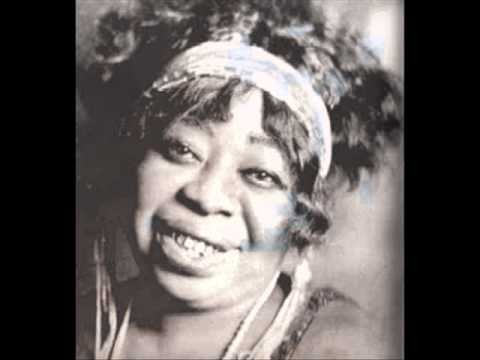
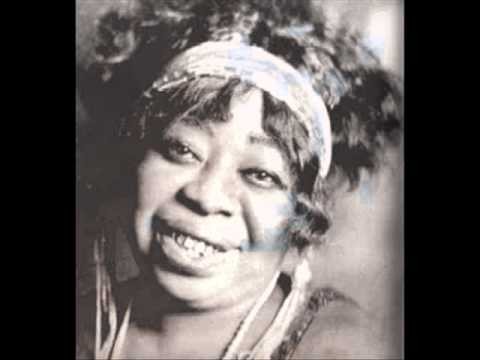
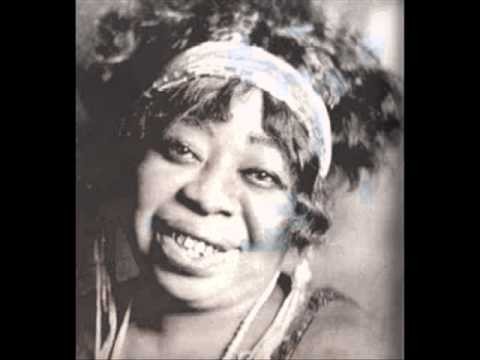
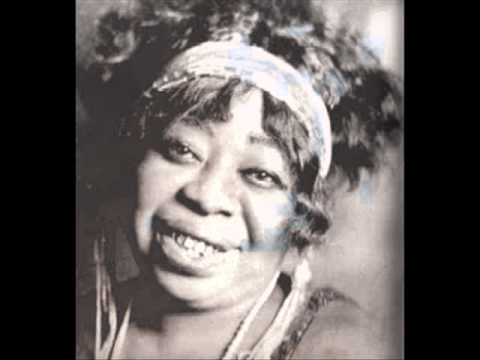
Ma Rainey (born Gertrude Malissa Nix Pridgett, c. April 26, 1886 – December 22, 1939) was one of the earliest known American professional blues singers and one of the first generation of such singers to record.
Ma Rainey: A Pioneering Artist of the Blues
The world of music has witnessed some prolific and influential artists who have transformed the way we listen and experience music. One such legendary figure in the history of music is Ma Rainey, who is considered the undisputed Queen of Blues. A seminal figure in the development of blues music, Ma Rainey left an indelible mark on not only the blues genre but also on music as a whole. In this blog post, we will dive into the musical biography of this legendary artist, explore her noteworthy songs and best performances, and understand her lasting impact on music.
Born Gertrude Malissa Nix Pridgett in Georgia in 1886, Ma Rainey discovered her talent for singing at a young age. She started performing in vaudeville shows in her teenage years and it was there that she picked up the nickname Ma, which she carried throughout her career. At 14, she ran away from home and joined a touring minstrel act, where she met and married fellow performer Will Rainey, from whom she took her stage name. In 1923, she signed a recording contract with Paramount Records and began her professional recording career. Throughout the 1920s, she recorded over 100 songs, often accompanied by popular jazz musicians of the day such as Louis Armstrong and Fletcher Henderson.
Ma Rainey's signature sound was deep, earthy, and commanding, with a raw intensity that communicated both strength and vulnerability. Her songs often centered around topics like love, sex, and heartbreak, and her lyrics gave voice to the African American experience of the time. Some of her most well-known songs include See See Rider Blues, Prove It On Me Blues, Black Bottom, and Ma Rainey's Black Bottom, which inspired a Broadway play of the same name.
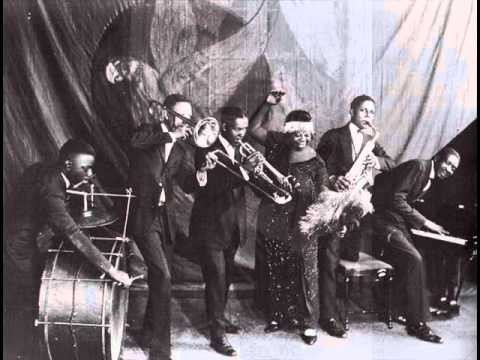
Apart from her recorded output, Ma Rainey was also known for her electrifying live performances. Her concerts were extravagant affairs, with her wearing elaborate gowns and jewelry, backed by a band that included horns, piano, and drums. Her expressive style, coupled with her powerful presence, kept audiences spellbound. In 1927, she performed at the Apollo Theater in New York, accompanied by her band and a chorus line of male dancers. Her performance was a sensation, and her popularity continued to soar.
One notable critique of Ma Rainey's work was a review published in the Chicago Defender in 1924, which criticized her for pandering to white audiences and accused her of betraying the race. The review sparked controversy and debate within the African American community, with some agreeing with the criticism and others defending her right to perform for whoever would listen. Regardless of the criticism, Ma Rainey remained steadfast in her commitment to making music that spoke to her own experiences and the experiences of her community.
Ma Rainey's legacy as a pioneer of blues music and a trailblazer for African American performers cannot be overstated. Her contributions to music and culture were groundbreaking and continue to inspire musicians today. She expanded what was possible in terms of expression and social commentary in music, and her work paved the way for generations of African American artists who followed in her footsteps. Ma Rainey remains a vital and influential force in music history, and her invaluable contributions will continue to resonate for years to come.
Ma Rainey: A Pioneering Artist of the Blues
The world of music has witnessed some prolific and influential artists who have transformed the way we listen and experience music. One such legendary figure in the history of music is Ma Rainey, who is considered the undisputed Queen of Blues. A seminal figure in the development of blues music, Ma Rainey left an indelible mark on not only the blues genre but also on music as a whole. In this blog post, we will dive into the musical biography of this legendary artist, explore her noteworthy songs and best performances, and understand her lasting impact on music.
Born Gertrude Malissa Nix Pridgett in Georgia in 1886, Ma Rainey discovered her talent for singing at a young age. She started performing in vaudeville shows in her teenage years and it was there that she picked up the nickname Ma, which she carried throughout her career. At 14, she ran away from home and joined a touring minstrel act, where she met and married fellow performer Will Rainey, from whom she took her stage name. In 1923, she signed a recording contract with Paramount Records and began her professional recording career. Throughout the 1920s, she recorded over 100 songs, often accompanied by popular jazz musicians of the day such as Louis Armstrong and Fletcher Henderson.
Ma Rainey's signature sound was deep, earthy, and commanding, with a raw intensity that communicated both strength and vulnerability. Her songs often centered around topics like love, sex, and heartbreak, and her lyrics gave voice to the African American experience of the time. Some of her most well-known songs include See See Rider Blues, Prove It On Me Blues, Black Bottom, and Ma Rainey's Black Bottom, which inspired a Broadway play of the same name.
Apart from her recorded output, Ma Rainey was also known for her electrifying live performances. Her concerts were extravagant affairs, with her wearing elaborate gowns and jewelry, backed by a band that included horns, piano, and drums. Her expressive style, coupled with her powerful presence, kept audiences spellbound. In 1927, she performed at the Apollo Theater in New York, accompanied by her band and a chorus line of male dancers. Her performance was a sensation, and her popularity continued to soar.
One notable critique of Ma Rainey's work was a review published in the Chicago Defender in 1924, which criticized her for pandering to white audiences and accused her of betraying the race. The review sparked controversy and debate within the African American community, with some agreeing with the criticism and others defending her right to perform for whoever would listen. Regardless of the criticism, Ma Rainey remained steadfast in her commitment to making music that spoke to her own experiences and the experiences of her community.
Ma Rainey's legacy as a pioneer of blues music and a trailblazer for African American performers cannot be overstated. Her contributions to music and culture were groundbreaking and continue to inspire musicians today. She expanded what was possible in terms of expression and social commentary in music, and her work paved the way for generations of African American artists who followed in her footsteps. Ma Rainey remains a vital and influential force in music history, and her invaluable contributions will continue to resonate for years to come.