Biography
John Mayall: history and sound
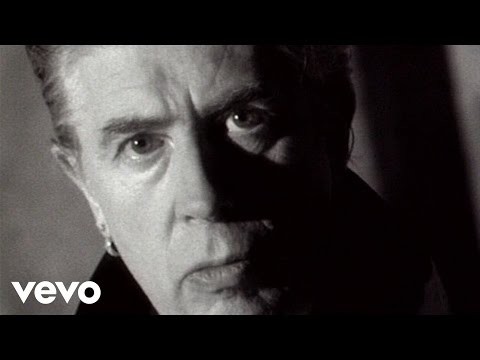
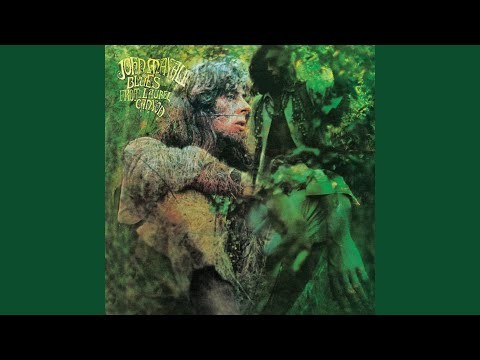
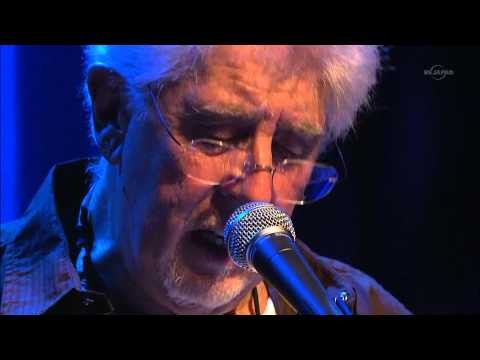
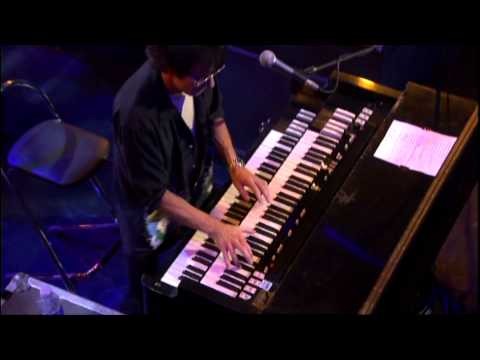
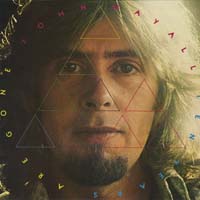
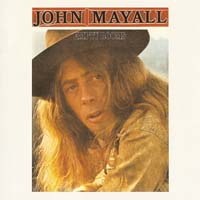
John Mayall, OBE (born 29 November 1933) is an English blues singer, guitarist, organist and songwriter, whose musical career spans over fifty years.
Exploring the Musical Journey of John Mayall – The Blues Legend
The world of blues music is incomplete without the mention of John Mayall – a British guitarist, harmonica player, and singer who has dedicated his life to the genre. His music has inspired generations of blues lovers and still continues to do so. In this blog post, we will take a deep dive into the life and works of John Mayall, exploring his musical biography, music genre, famous concerts, and his most popular tracks.
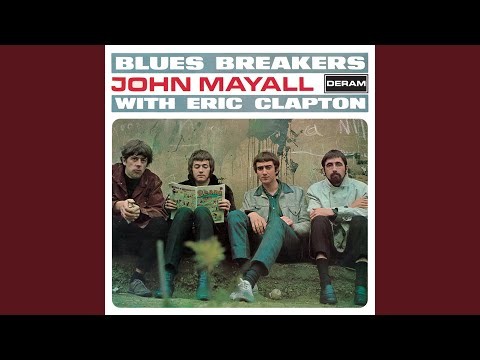
John Mayall was born in Macclesfield, England in 1933. Fascinated by blues and jazz music, he began playing the guitar and harmonica in his teens. He didn't get a big break until the 1960s when he formed his band, The Bluesbreakers. This band became known for its iconic sound and helped to make Mayall a household name in the blues scene.
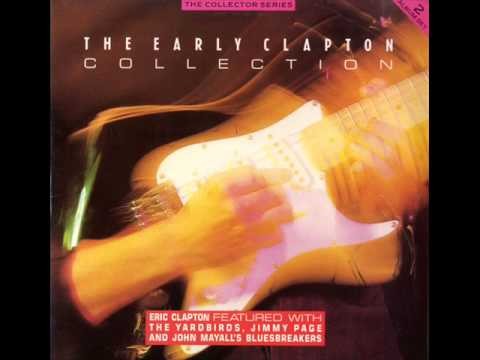
Mayall's music has evolved over the years, and he has experimented with different instruments, incorporating rock and other genres, but his core sound has always been blues-driven. He has been referred to as the godfather of British blues, paving the way for several other popular blues acts like Eric Clapton, who played with The Bluesbreakers early in his career.
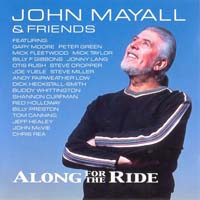
One of Mayall's most significant moments was his performance at the Fillmore East in New York in 1969, which was recorded and released as a live album. The performance was electric, and Mayall's incredible harmonica playing and vocals made it an unforgettable concert. Other notable concerts include his appearance at the Royal Albert Hall in 2003, where he played alongside great musicians like Eric Clapton, Mick Taylor, and Chris Barber.
Mayall's most famous tracks include Room to Move, All Your Love, Hideaway, and Parchman Farm. These tracks showcase his impressive guitar and harmonica chops and have been played countless times on the radio.
Critics have praised John Mayall's contribution to the blues genre. He has been described as a master of his craft, with a unique sound that sets him apart from other artists. His music has been inspirational to thousands of blues lovers, and his impact on the genre cannot be overstated.
As we wrap up this blog post, it's clear that John Mayall is a true blues legend. His music has left an indelible mark on the genre, and his influence can still be heard in contemporary blues music. Mayall's dedication to his craft is admirable, and his lifelong pursuit of the blues has earned him global recognition and praise. If you're a fan of blues music, John Mayall should be at the top of your playlist.
As we wrap up this blog post, it's clear that John Mayall is a true blues legend. His music has left an indelible mark on the genre, and his influence can still be heard in contemporary blues music. Mayall's dedication to his craft is admirable, and his lifelong pursuit of the blues has earned him global recognition and praise. If you're a fan of blues music, John Mayall should be at the top of your playlist.
Exploring the Musical Journey of John Mayall – The Blues Legend
The world of blues music is incomplete without the mention of John Mayall – a British guitarist, harmonica player, and singer who has dedicated his life to the genre. His music has inspired generations of blues lovers and still continues to do so. In this blog post, we will take a deep dive into the life and works of John Mayall, exploring his musical biography, music genre, famous concerts, and his most popular tracks.
John Mayall was born in Macclesfield, England in 1933. Fascinated by blues and jazz music, he began playing the guitar and harmonica in his teens. He didn't get a big break until the 1960s when he formed his band, The Bluesbreakers. This band became known for its iconic sound and helped to make Mayall a household name in the blues scene.
Mayall's music has evolved over the years, and he has experimented with different instruments, incorporating rock and other genres, but his core sound has always been blues-driven. He has been referred to as the godfather of British blues, paving the way for several other popular blues acts like Eric Clapton, who played with The Bluesbreakers early in his career.
One of Mayall's most significant moments was his performance at the Fillmore East in New York in 1969, which was recorded and released as a live album. The performance was electric, and Mayall's incredible harmonica playing and vocals made it an unforgettable concert. Other notable concerts include his appearance at the Royal Albert Hall in 2003, where he played alongside great musicians like Eric Clapton, Mick Taylor, and Chris Barber.
Mayall's most famous tracks include Room to Move, All Your Love, Hideaway, and Parchman Farm. These tracks showcase his impressive guitar and harmonica chops and have been played countless times on the radio.
Critics have praised John Mayall's contribution to the blues genre. He has been described as a master of his craft, with a unique sound that sets him apart from other artists. His music has been inspirational to thousands of blues lovers, and his impact on the genre cannot be overstated.
As we wrap up this blog post, it's clear that John Mayall is a true blues legend. His music has left an indelible mark on the genre, and his influence can still be heard in contemporary blues music. Mayall's dedication to his craft is admirable, and his lifelong pursuit of the blues has earned him global recognition and praise. If you're a fan of blues music, John Mayall should be at the top of your playlist.
As we wrap up this blog post, it's clear that John Mayall is a true blues legend. His music has left an indelible mark on the genre, and his influence can still be heard in contemporary blues music. Mayall's dedication to his craft is admirable, and his lifelong pursuit of the blues has earned him global recognition and praise. If you're a fan of blues music, John Mayall should be at the top of your playlist.