Biography
Freddie King: history and sound
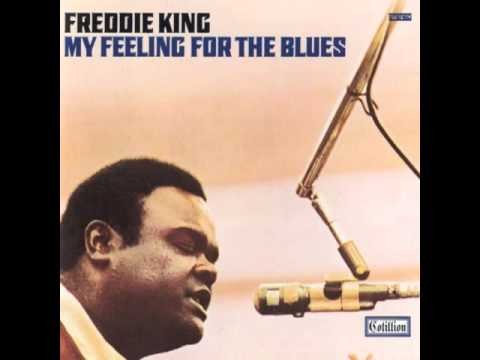
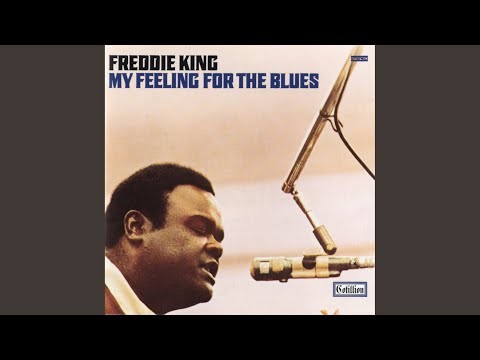
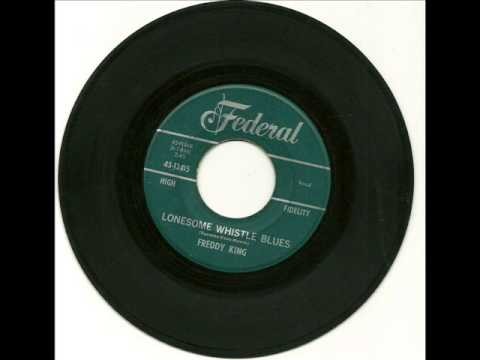
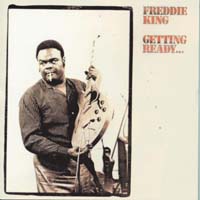
Freddie King (September 3, 1934 – December 28, 1976) was an influential American blues guitarist and singer.
The Music and Life of Freddie King: A Major Influence in the Blues Genre
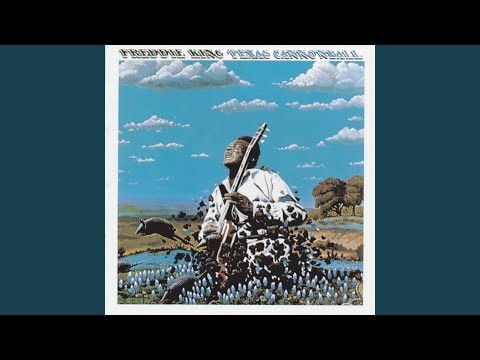
Few musicians have impacted the blues genre as much as Freddie King. His soulful voice and gritty guitar playing earned him the title of The Texas Cannonball and made him a major inspiration for other blues icons like Eric Clapton, Stevie Ray Vaughan, and Jimi Hendrix. In this article, we'll delve into the musical biography of Freddie King, his best songs, and a review of some of his famous concerts.
Freddie King was born in 1934 in Texas and grew up playing music in local clubs. He released his first hit single Have You Ever Loved a Woman in 1960 and soon after signed a record deal with the prestigious label, Atlantic Records. Over the next two decades, Freddie King would release over a dozen albums and become known as a leading figure in the blues genre. Despite his success, he struggled with addiction and passed away in 1976 at the young age of 42.
One of Freddie King's best-known songs is Hide Away, which was released in 1961 and became a staple of blues and rock music. The song features Freddie's signature guitar playing technique known as thumb picking, which involves using the thumb instead of a pick to create a distinctive sound. Another fantastic song to check out is Going Down, which showcases Freddie's powerful voice and electrifying guitar solos. His music blended gospel, soul, and jazz, earning him a loyal following and a place in the Rock and Roll Hall of Fame.
Freddie King's music has inspired countless other musicians, including the likes of Eric Clapton, Stevie Ray Vaughan, and Gary Moore. Although he faced some challenges in his personal life, his music continues to resonate with audiences today and serves as a testament to his enduring talent. Even in his final years, Freddie was still performing to sold-out crowds and leaving them awestruck with his electric performances.
Throughout his career, Freddie King played some famous concerts, but three of the most significant were at the Ann Arbor Blues Festival in 1970, the Montreux Jazz Festival in 1973, and the Rockpalast Festival in 1974. These performances showcased his incredible guitar playing and vocal range and cemented his status as a blues icon. While some critics have said his performances were inconsistent, for the most part, his audiences were never left disappointed.
Freddie King's music will always remain a significant part of the blues genre, and his influence can still be heard in the music of many artists today. His soulful voice and his raw and emotive guitar playing are the hallmark of his legacy, and his music continues to inspire new generations of blues musicians. Although his life was cut tragically short, fans of the blues can still enjoy his music today and take a glimpse into the life and career of one of the most influential figures in the history of the genre.
The Music and Life of Freddie King: A Major Influence in the Blues Genre
Few musicians have impacted the blues genre as much as Freddie King. His soulful voice and gritty guitar playing earned him the title of The Texas Cannonball and made him a major inspiration for other blues icons like Eric Clapton, Stevie Ray Vaughan, and Jimi Hendrix. In this article, we'll delve into the musical biography of Freddie King, his best songs, and a review of some of his famous concerts.
Freddie King was born in 1934 in Texas and grew up playing music in local clubs. He released his first hit single Have You Ever Loved a Woman in 1960 and soon after signed a record deal with the prestigious label, Atlantic Records. Over the next two decades, Freddie King would release over a dozen albums and become known as a leading figure in the blues genre. Despite his success, he struggled with addiction and passed away in 1976 at the young age of 42.
One of Freddie King's best-known songs is Hide Away, which was released in 1961 and became a staple of blues and rock music. The song features Freddie's signature guitar playing technique known as thumb picking, which involves using the thumb instead of a pick to create a distinctive sound. Another fantastic song to check out is Going Down, which showcases Freddie's powerful voice and electrifying guitar solos. His music blended gospel, soul, and jazz, earning him a loyal following and a place in the Rock and Roll Hall of Fame.
Freddie King's music has inspired countless other musicians, including the likes of Eric Clapton, Stevie Ray Vaughan, and Gary Moore. Although he faced some challenges in his personal life, his music continues to resonate with audiences today and serves as a testament to his enduring talent. Even in his final years, Freddie was still performing to sold-out crowds and leaving them awestruck with his electric performances.
Throughout his career, Freddie King played some famous concerts, but three of the most significant were at the Ann Arbor Blues Festival in 1970, the Montreux Jazz Festival in 1973, and the Rockpalast Festival in 1974. These performances showcased his incredible guitar playing and vocal range and cemented his status as a blues icon. While some critics have said his performances were inconsistent, for the most part, his audiences were never left disappointed.
Freddie King's music will always remain a significant part of the blues genre, and his influence can still be heard in the music of many artists today. His soulful voice and his raw and emotive guitar playing are the hallmark of his legacy, and his music continues to inspire new generations of blues musicians. Although his life was cut tragically short, fans of the blues can still enjoy his music today and take a glimpse into the life and career of one of the most influential figures in the history of the genre.