ALBUM NOTESAlbum spotlight: Gal Costa-Água viva – Água viva
Album overview
Gal Costa's album "Água viva," released in 1978, is a landmark in Brazilian music, showcasing the artist's distinctive voice and innovative approach to sound. Part of the Tropicália movement, which blended traditional Brazilian music with foreign influences, the album was produced by the legendary Caetano Veloso and released under the label Philips Records. The recording took place in Rio de Janeiro, where Costa collaborated with notable musicians, including guitarist and composer João Gilberto and percussionist Naná Vasconcelos.
The tracklist features a variety of songs, including "Aguas de Março," which became one of Costa's signature songs. The album is characterized by its fusion of MPB (Música Popular Brasileira) with elements of rock, samba, and bossa nova, creating a lush soundscape that resonates with emotional depth. "Água viva" was praised for its progressive themes and poetic lyrics, reflecting the socio-political climate of Brazil during the military dictatorship. The album's cultural significance is profound, as it encapsulates a moment of artistic rebellion and the search for identity in a rapidly changing society.
Through its diverse instrumentation and Costa's powerful vocals, "Água viva" remains an influential work that continues to inspire new generations of musicians and listeners alike.
Review
"Água viva" is a stunning showcase of Gal Costa's vocal prowess and artistic vision, delivering a rich tapestry of sound that intertwines various musical styles. The opening track, "Aguas de Março," sets the tone with its flowing melodies and poetic lyrics, inviting listeners into a world where nature and emotion intertwine. Costa's voice is both soothing and powerful, effortlessly navigating the intricate arrangements that reflect the beauty and complexity of Brazilian music.
Lyrically, the album explores themes of love, identity, and the passage of time, resonating with listeners on multiple levels. The instrumentation is lush, with a blend of traditional Brazilian rhythms and contemporary influences, creating a sound that feels both timeless and modern. The production by Caetano Veloso adds a layer of sophistication, ensuring that each track feels meticulously crafted while maintaining an organic feel.
Costa's ability to convey deep emotion through her music elevates "Água viva" beyond a mere collection of songs, it becomes an experience that captures the spirit of its era and the essence of Brazil itself.
Highlights
- Exceptional vocal performance by Gal Costa, showcasing her range and emotional depth.
- Innovative fusion of various genres, including samba, bossa nova, and rock.
- Lyrical themes that resonate with socio-political relevance, reflecting the era's struggles and beauty.
Weak points
- Some tracks may feel disjointed to listeners unfamiliar with the Tropicália movement.
- The album's experimental nature might not appeal to those preferring more traditional Brazilian music.
- Limited promotion at the time of release may have hindered broader recognition outside Brazil.
Overall evaluation
"Água viva" stands as a testament to Gal Costa's artistic brilliance and the transformative power of music. Its rich blend of styles and profound lyrical depth make it an essential listen for anyone interested in Brazilian music or the Tropicália movement.
Personal rating: 9/10
```


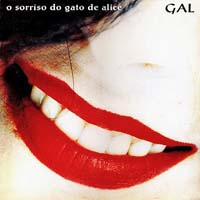 1993O sorriso do gato de alice
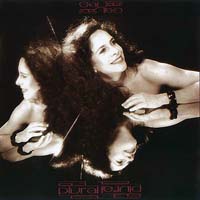 1990Plural
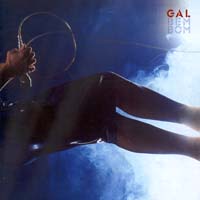 1985Bem bom
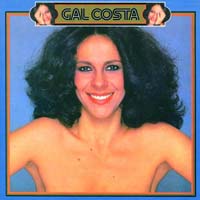 1981Fantasia
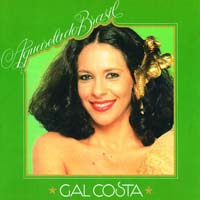 1980Aquarela do Brasil
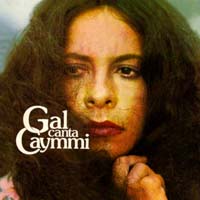 1976Gal canta Caymmi
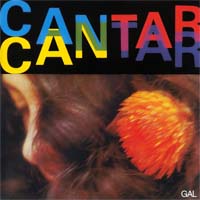 1974Cantar
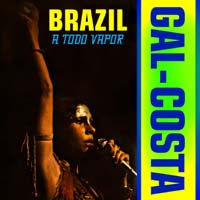 1971A Todo Vapor
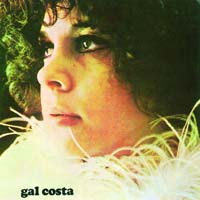 1969Gal
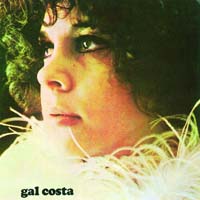 1968Gal Costa
 1967Domingo