

A closer look at Gal Costa-Lua de mel como o diabo gosta's album Lua de mel como o diabo gosta
Album overview
"Lua de mel como o diabo gosta" is an album by Brazilian artist Gal Costa, released in 1971. This album is a seminal work in the Tropicália movement, which sought to blend Brazilian popular music with diverse international influences, including rock, psychedelic music, and traditional Brazilian styles. The album was released under the Philips label and is celebrated for its innovative sound and lyrical depth.
Produced by the influential Caetano Veloso, the album features a range of collaborators, including musicians such as Jorge Ben Jor and Gilberto Gil, who were key figures in the Tropicália movement. The recording sessions took place in a vibrant period of Brazilian music, where artists were experimenting with new sounds and pushing the boundaries of traditional genres. The album's cover art, designed by renowned artist Hélio Oiticica, reflects the avant-garde spirit of the time.
Tracklist highlights include "Coração Vagabundo," a beautifully crafted song that showcases Costa's vocal prowess, and "Oração ao Tempo," which combines poetic lyrics with a haunting melody. The album’s singles enjoyed considerable airplay, further cementing Gal Costa's status as a leading figure in Brazilian music. "Lua de mel como o diabo gosta" stands not only as a musical milestone but also as a cultural artifact, encapsulating the spirit of a generation seeking to redefine its identity through art and music.
Review
The sound of "Lua de mel como o diabo gosta" is a rich tapestry woven with vibrant melodies and intricate arrangements. Gal Costa's voice is both powerful and ethereal, capable of conveying deep emotion while maintaining a playful lightness. The instrumentation merges acoustic and electric elements, creating a sonic landscape that feels both familiar and avant-garde. The lyrics, often poetic and laden with metaphor, reflect the tumultuous socio-political landscape of Brazil in the early '70s, making the album a profound commentary on life and love in a changing world.
Musically, the album captures the essence of Tropicália, seamlessly blending samba, bossa nova, and rock influences. The artistic vision behind the album is evident in its cohesive sound and the way Costa and her collaborators push the boundaries of Brazilian music. Each track invites listeners into a world that is at once intimate and expansive, showcasing Costa’s ability to connect deeply with her audience while exploring innovative musical ideas.
Highlights
- Innovative blend of musical genres, showcasing the Tropicália movement.
- Gal Costa's powerful and emotive vocals that captivate throughout the album.
- Thought-provoking lyrics that reflect the cultural and political climate of Brazil in the early 1970s.
Weak points
- Some tracks may feel less accessible to listeners unfamiliar with Brazilian music.
- The experimental nature may not appeal to all musical tastes.
- Lack of commercial hits compared to other artists of the era, potentially limiting broader recognition.
Overall evaluation
"Lua de mel como o diabo gosta" is a landmark album that showcases Gal Costa's artistic brilliance and the innovative spirit of the Tropicália movement. Its blend of genres, emotional depth, and cultural commentary make it a significant work in Brazilian music history.
Personal rating: 9/10 ```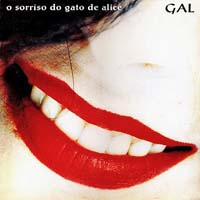 1993O sorriso do gato de alice
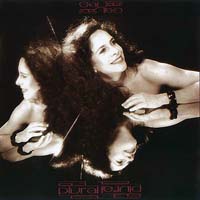 1990Plural
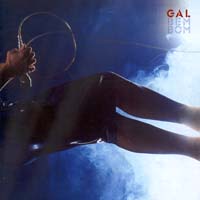 1985Bem bom
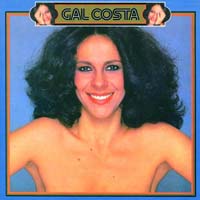 1981Fantasia
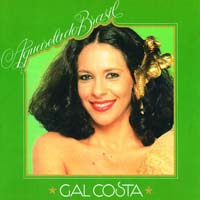 1980Aquarela do Brasil
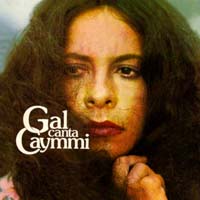 1976Gal canta Caymmi
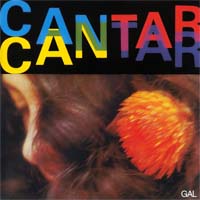 1974Cantar
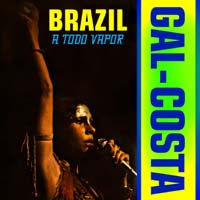 1971A Todo Vapor
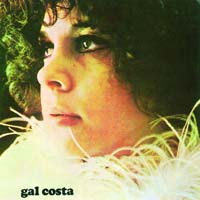 1969Gal
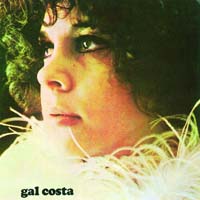 1968Gal Costa
 1967Domingo