
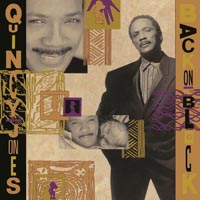
Breaking down the themes in You’ve Got It Bad Girl by Quincy Jones
You’ve Got It Bad Girl- Album Overview
"You’ve Got It Bad Girl" is the sixth studio album by iconic American musician Quincy Jones, released in 1973 under the A&M Records label. This album is a significant entry in the genre of R&B and funk, encapsulating the sound and spirit of the early '70s. The album features a collection of tracks that blend jazz, soul, and pop, showcasing Quincy Jones's exceptional talent not only as a musician but also as a producer. It includes contributions from a variety of artists, such as the legendary vocalist and songwriter Bill Withers and the prominent jazz musician George Benson, who lent their distinctive sounds to the project.
The album's title track, "You’ve Got It Bad Girl," stands out as one of the most recognized songs, characterized by its smooth melodies and sophisticated arrangements. The production quality is noteworthy, reflecting Jones's innovative approach to blending orchestral elements with contemporary grooves, contributing to the album's rich textural landscape. Other notable tracks include "Summer in the City" and "Love and Peace," both of which further illustrate the album’s cohesive vision of love, social consciousness, and the complexities of relationships during a transformative era in American culture.
Thematically, "You’ve Got It Bad Girl" explores the intricacies of romantic relationships, self-reflection, and the pursuit of happiness, resonating deeply with the experiences of its time. The album was well-received, both commercially and critically, marking a significant point in Quincy Jones's career and contributing to his legacy as one of music's most influential figures. With its vibrant sound and profound themes, "You’ve Got It Bad Girl" remains an enduring classic that continues to inspire artists and listeners alike.
Review
The sound of "You’ve Got It Bad Girl" is a testament to Quincy Jones's visionary artistry, characterized by polished production and a seamless blend of genres. The album effortlessly navigates through soulful melodies and intricate rhythms, creating a rich auditory experience. Lyrically, the songs delve into the emotional landscape of love, desire, and introspection, resonating with listeners on a personal level. Jones's artistic vision shines through in his ability to weave complex arrangements with relatable themes, making the album not just a collection of songs but a narrative journey through human emotions.
The instrumentation is equally impressive, featuring lush strings, groovy bass lines, and vibrant brass, all of which contribute to the album's dynamic appeal. Each track unfolds like a mini-symphony, highlighting Jones's knack for orchestration and his understanding of how to evoke feelings through sound. As a whole, the album serves as a bridge between the jazz influences of Jones's earlier work and the burgeoning funk and soul movement, making it a pivotal moment in the evolution of popular music during the 1970s.
Highlights
- Exceptional production quality that showcases Quincy Jones's innovative approach to music.
- A seamless blend of genres, including R&B, jazz, and funk, creating a rich listening experience.
- Powerful lyrical themes that resonate with listeners, exploring love, relationships, and social consciousness.
Weak points
- Some tracks may feel dated to contemporary listeners unfamiliar with the era's sound.
- Occasional reliance on standard lyrical tropes that may not stand out in a modern context.
- Not all songs achieve the same level of emotional impact, leading to slight inconsistencies in the album's flow.
Overall evaluation
"You’ve Got It Bad Girl" is a remarkable showcase of Quincy Jones's talent and versatility, offering a timeless exploration of the themes of love and introspection. Its rich, layered sound and heartfelt lyrics make it a standout work in his discography and a significant contribution to the music of the 1970s.
Personal rating: 8.5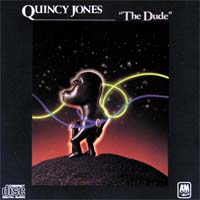 1981The Dude
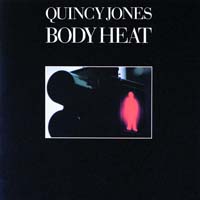 1974Body Heat
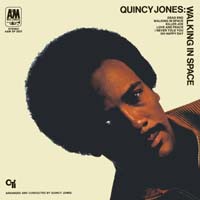 1969Walking in Space