
Exploring the sound of Quincy Jones: Jazz Abroad
Jazz Abroad- Album Overview
"Jazz Abroad" is a remarkable album by the legendary musician Quincy Jones, released in 1962. This work showcases Jones's ability to blend jazz with various global influences, reflecting his experiences and travels. The album was produced under the Mercury Records label and features a collection of tracks that highlight Jones's mastery in arranging and orchestrating. The recording sessions took place in various locations, capturing the essence of jazz's international appeal.
Quincy Jones collaborated with a host of talented musicians on this project, including notable jazz artists like Clark Terry and Art Davis. Each track on "Jazz Abroad" is a testament to Jones's vision of creating a sound that transcends borders, incorporating elements from different cultures while maintaining the core of jazz. The album features standout tracks such as "The Jazz Abroad," which serves as a thematic centerpiece, and "Manteca," a vibrant composition that showcases Afro-Cuban rhythms.
The singles from "Jazz Abroad" were well-received, contributing to the album's success and solidifying Jones's reputation as a pioneer in the music industry. The album stands as a significant cultural artifact from the 1960s, reflecting the era's fascination with global sounds and the cross-pollination of musical styles. In addition to its artistic merits, "Jazz Abroad" is a reminder of the power of music to unite disparate cultures, a theme that continues to resonate in today's globalized world.
Review
"Jazz Abroad" successfully captures Quincy Jones's artistic vision, presenting a rich tapestry of sounds that are both innovative and deeply rooted in jazz tradition. The album's production quality is commendable, with each instrument given space to shine, allowing for an immersive listening experience. Jones's arrangements are intricate yet accessible, balancing complexity with melodic beauty.
The album's overall sound is a celebration of diversity, intertwining various musical influences that reflect Jones's travels and collaborations. The seamless blending of jazz with international elements creates an atmosphere that is both lively and sophisticated. However, while the instrumental prowess is evident, some listeners may find the absence of vocal tracks to be a missed opportunity. Nonetheless, "Jazz Abroad" remains a crucial piece in Jones's discography, showcasing his unparalleled ability to innovate within the jazz genre.
Highlights
- Richly layered arrangements that showcase Jones's talent as an orchestrator.
- A diverse sound palette that introduces listeners to various cultural influences.
- Exceptional collaborations with renowned jazz musicians, enhancing the album's depth.
Weak points
- Lack of vocal tracks may limit appeal for some listeners.
- Some arrangements may feel overly complex for those seeking straightforward jazz.
- The album's pacing may vary, with certain tracks feeling less engaging than others.
Overall evaluation
"Jazz Abroad" is a significant contribution to Quincy Jones's legacy and the jazz genre as a whole. Its innovative blend of international sounds and intricate arrangements make it a must-listen for jazz aficionados and newcomers alike. Despite minor drawbacks, the album's artistic vision and cultural significance are undeniable.
Personal rating: 8/10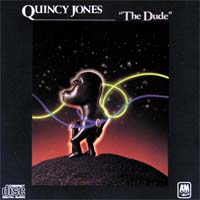 1981The Dude
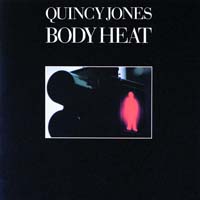 1974Body Heat
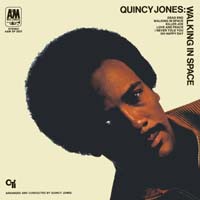 1969Walking in Space